





Child Trauma Therapy Richmond Hill
Does your child carry the weight of a painful past? Let’s work toward healing together.

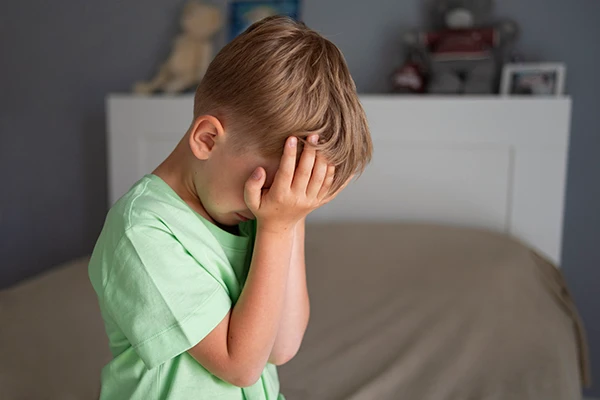
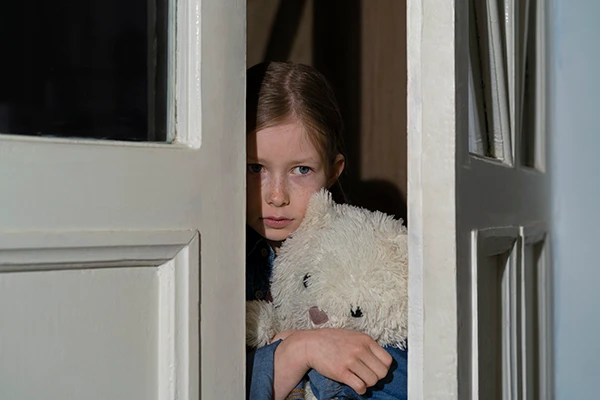
A frightening, painful, or overwhelming experience can change the way a child feels about themselves, other people, and the world around them. Trauma may result from abuse, neglect, accidents, bullying, medical procedures, family conflict, separation, loss, or witnessing distressing events. While some children openly express their emotions, many communicate their struggles through behaviour, physical symptoms, or changes in mood.
At Alpha Child Therapy, trauma therapy for children in Richmond Hill provides a safe, supportive, and child-centred environment where children can process difficult experiences at their own pace. Shiva Movafaghian, a Child and Youth Therapist and Certified Play Therapist with more than 15 years of experience supporting children and youth, uses evidence-based, trauma-informed approaches to help children regain a sense of safety, confidence, and emotional wellbeing.
Understanding Childhood Trauma
Childhood trauma affects more than emotions. It can influence a child’s behaviour, relationships, concentration, sleep, self-esteem, and ability to feel safe in everyday situations. Some children become withdrawn and anxious, while others may become irritable, impulsive, or emotionally reactive.
Trauma counselling for children focuses on helping children understand and process what has happened without forcing them to revisit painful experiences before they are ready. Therapy respects the child’s developmental level, emotional readiness, and unique way of communicating.
Signs of Trauma in Children
The effects of trauma can appear differently from one child to another. Common signs may include:
- Anxiety and excessive worry
- Nightmares or sleep disturbances
- Irritability or emotional outbursts
- Withdrawal from family or friends
- Difficulty concentrating at school
- Sudden behavioural changes
- Increased fearfulness or clinginess
- Hypervigilance and constantly watching for danger
- Physical complaints such as headaches or stomachaches
- Difficulty trusting others
Children may not always connect these challenges to a traumatic event, which is why professional support can help identify underlying emotional needs and provide healthy coping strategies.
Trauma After Divorce, Loss, Bullying, or Major Life Changes
Trauma is not limited to a single catastrophic event. Children can experience significant emotional distress following family separation, divorce, the death of a loved one, bullying, relocation, illness, or other major disruptions to their sense of stability and security.
Support may include trauma therapy alongside divorce counselling, child grief counselling, anxiety treatment, and emotional regulation support. Therapy helps children process difficult experiences, adjust to change, and develop healthy ways of coping with uncertainty.
Trauma-Informed Therapy Approaches
Shiva uses a combination of evidence-based and child-friendly approaches that are adapted to each child's age, personality, and experiences. Therapy may incorporate play therapy, Trauma-Focused Cognitive Behavioural Therapy (TF-CBT), mindfulness practices, creative expression, emotional regulation work, and parent support.
The goal is not only to reduce symptoms but also to strengthen resilience, improve emotional regulation, and help children feel more confident in their daily lives.
Play Therapy
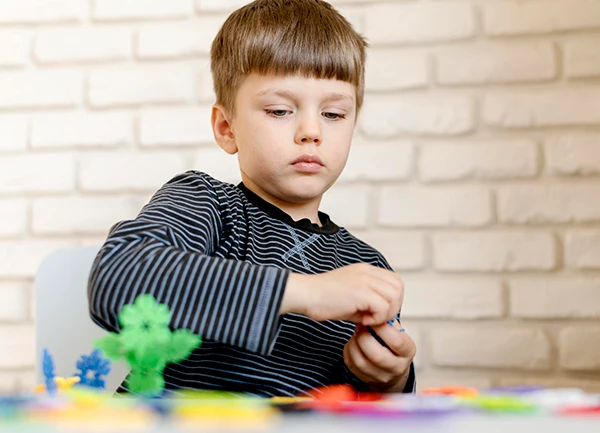
Children often communicate through play long before they can fully express complex emotions with words. Play therapy provides a natural and developmentally appropriate way for children to explore feelings, process experiences, and communicate what they may not yet be able to explain verbally.
Through symbolic play, storytelling, role-play, and therapeutic activities, children can work through difficult emotions while maintaining a sense of control, safety, and emotional distance from overwhelming memories.
Trauma-Focused CBT (TF-CBT)
Trauma-Focused Cognitive Behavioural Therapy is an evidence-based approach that helps children understand the connection between thoughts, emotions, and behaviours following a traumatic experience.
Using age-appropriate strategies, Shiva helps children:
- Develop healthy coping skills
- Manage anxiety and distressing emotions
- Reduce feelings of guilt, shame, or self-blame
- Build emotional awareness
- Develop a healthier understanding of what happened
TF-CBT is introduced gradually and sensitively, ensuring that children feel supported throughout the process.
Art and Creative Expression
Drawing, painting, storytelling, and other creative activities provide children with alternative ways to express emotions that may feel difficult to put into words. Creative therapies can be especially helpful when trauma is connected to grief, loss, fear, or confusion.
Art-based interventions can support emotional expression, increase self-awareness, and promote healing while reducing pressure to talk directly about painful experiences.
Mindfulness and Emotional Regulation
Trauma can leave children feeling constantly alert, overwhelmed, or unable to relax. Mindfulness and body-based coping strategies help children recognize signs of stress and develop tools to regulate their emotions more effectively.
Depending on the child's needs, therapy may include:
- Deep breathing exercises
- Grounding techniques
- Progressive muscle relaxation
- Sensory-based calming strategies
- Emotional regulation activities
These skills can help children feel more in control during stressful situations at home, school, or in social settings.
Building Resilience and Restoring a Sense of Safety
A central goal of trauma therapy is helping children rebuild their sense of safety, trust, and confidence. Healing does not mean forgetting what happened; it means helping children feel less controlled by the experience and more capable of moving forward.
Shiva helps children identify their strengths, develop healthy coping skills, and build resilience through supportive therapeutic experiences. By recognizing their ability to overcome challenges, children can begin to see themselves as capable, strong, and hopeful about the future.
Parent Support and Family Involvement
Parents and caregivers play a vital role in a child's recovery from trauma. Shiva works closely with families to help them understand how trauma affects behaviour, emotions, and development.
Parent coaching may include guidance on:
- Responding to emotional outbursts with empathy
- Creating predictable and supportive routines
- Strengthening parent-child connection
- Supporting emotional regulation at home
- Managing trauma-related behaviours
- Building a trauma-sensitive home environment
When parents feel supported and informed, children often experience more consistent progress and emotional security.
Helping Children Heal and Move Forward
Recovery from trauma is possible when children have the right support, tools, and relationships around them. Through a compassionate, evidence-based, and trauma-informed approach, Shiva helps children process difficult experiences, strengthen resilience, and develop the confidence they need to move forward with greater emotional wellbeing.
Book an appointment for an in-person session at 147 Oxford Street, Richmond Hill, or an online session.
Frequently Asked Questions
Online Courses & Tools

Solutions for Sleeping Disorders
Getting a good night’s sleep is essential for both children and parents. In this episode, we discuss common sleep disturbances in children and explore the science behind sleep disorders. […]
FREE

SOS Help for Emotions: Managing Anxiety
SOS Help for Emotions – Managing Anxiety, Anger, And Depression is a self-help book that is fun to listen to and easy to apply. […]
FREE

Children's Anxiety
Anxiety in children can be subtle yet deeply disruptive—affecting their emotional development, school performance, and relationships. This comprehensive course, […]
$149.99