




Anger Management Therapy for Children in Richmond Hill
Is your child’s anger becoming hard to manage? Learn how to guide them toward calmness.
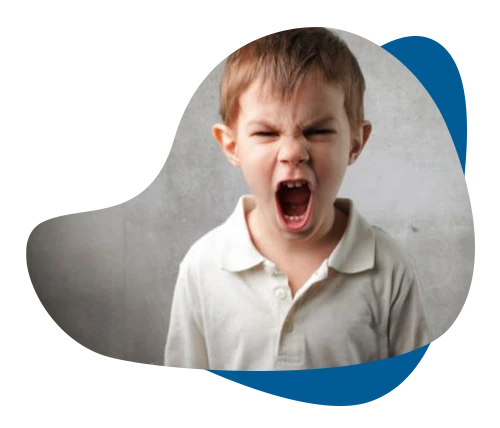
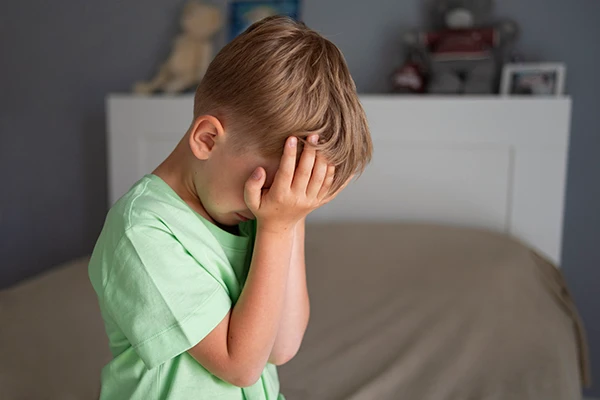
Behind a child's angry outburst there is often another feeling they do not yet know how to express, such as frustration, fear, embarrassment, disappointment, or hurt. When those feelings come out as yelling, hitting, throwing things, or shutting down, everyday family life can become difficult.
At Alpha Child Therapy, anger management for children in Richmond Hill helps children understand what is happening beneath the anger and practise safer ways to respond. Shiva Movafaghian, a psychotherapist and certified play therapist, draws on play therapy, CBT, emotional regulation strategies, mindfulness, and parent coaching.
Understanding Anger in Children
Anger is not something children need to eliminate. Child anger management focuses on helping them recognize what triggers the feeling, understand what their body is telling them, and express anger without hurting themselves or others.
Why Anger Is a Normal Emotion
Children get angry when something feels unfair, frustrating, confusing, or outside their control. Learning how to handle that feeling safely is part of emotional development.
When Anger Becomes a Concern
Anger issues in children may need extra support when outbursts become frequent, intense, difficult to recover from, or begin affecting school, friendships, or family routines.
Anger vs. Aggressive Behaviour
Anger is an emotion; aggression is a behaviour. Aggressive behaviour in children can include hitting, kicking, throwing objects, threatening others, or using hurtful language when emotions feel overwhelming.
Signs Your Child May Need Anger Management Support
A difficult day does not necessarily mean a child has an anger problem. Patterns that repeat across home, school, or friendships may suggest they need more support with emotional regulation.
Frequent Emotional Outbursts
Yelling, crying, throwing things, or explosive reactions to small frustrations can be signs that a child is having trouble recognizing and managing strong emotions.
Physical or Verbal Aggression
Hitting, pushing, breaking things, name-calling, or threatening others may signal that child tantrums and aggression need more than discipline alone. Therapy offers help for an aggressive child without labelling the child as “bad.”
Difficulty Calming Down After Conflict
Some children remain upset long after the original problem has passed. This can reflect child emotional dysregulation rather than deliberate misbehaviour.
Challenges at Home or School
Frequent conflicts with siblings, classmates, teachers, or parents can interfere with daily life. With parent consent, Shiva can also collaborate with school staff when consistent strategies across settings would help.
What Causes Anger Problems in Children?
Anger is often the visible part of a more complicated emotional experience. Stress, anxiety, impulsivity, sensory overload, family changes, and difficulty regulating emotions can all contribute.
Emotional Regulation Difficulties
Some children feel emotions quickly and intensely but have not yet developed the skills to slow down once they are upset. Emotional regulation therapy helps them notice early warning signs before an outburst builds.
Anxiety, Stress, and Frustration
Children who feel worried or overwhelmed sometimes appear angry rather than anxious. Our child anxiety therapy may be relevant when fear or worry is driving the reactions.
ADHD and Neurodevelopmental Factors
Impulsivity associated with ADHD or sensory and communication differences related to autism can make it harder to pause before reacting.
Family and Environmental Influences
Major changes such as divorce, bullying, moving, or a traumatic experience can sometimes show up through anger. Children also learn from how adults around them handle disagreement and stress.
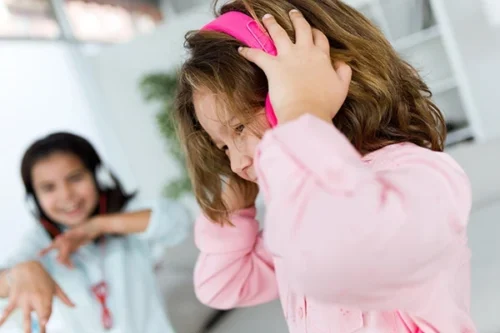
Child Anger Therapy in Richmond Hill
Anger counselling for children starts by looking at triggers, patterns, and the feelings underneath the behaviour. Through play, art, storytelling, and age-appropriate conversation, children can explore those feelings and practise different responses.
Evidence-Based Anger Management Techniques for Children
Child behavioural therapy may draw on CBT, emotional regulation work, mindfulness, problem-solving, and social skills. Shiva adapts these strategies to the child's age, communication style, and the situations where anger causes the most difficulty.
Cognitive Behavioural Therapy (CBT)
CBT for anger management helps children notice thoughts that make anger stronger, such as “It's not fair!” or “Nobody listens to me,” and practise more balanced ways to interpret the situation.
Emotional Regulation Skills Training
Tools such as an emotion thermometer can help children notice when frustration is starting to rise. They can then practise coping strategies before the feeling reaches a breaking point.
Problem-Solving Strategies
Children learn to pause, consider different choices, and think about what might happen next. Role-play can make these skills easier to practise before using them in real conflicts.
Relaxation and Mindfulness Techniques
Breathing, grounding, muscle relaxation, counting, and using a calm-down space can help children settle their bodies before responding.
Social Skills Development
Therapy can also work on sharing, taking turns, expressing needs, handling disagreement, and repairing relationships after conflict.
Parent Involvement in Child Anger Therapy
Parent coaching for behaviour management gives caregivers tools for clear boundaries, positive reinforcement, calmer communication, and consistent responses to aggression. Shiva can also help parents recognize how adult reactions may affect the way a conflict develops.
When Should You Seek Professional Help for an Aggressive Child?
Consider reaching out when aggression is becoming more frequent or intense, your child is hurting themselves or others, or difficulties are disrupting school, relationships, or family life. If anyone is in immediate danger, call 911.
Why Families Choose Our Anger Management Therapy Services in Richmond Hill
Families looking for therapy for an angry child can work with Shiva through a child-centred approach that looks beyond the behaviour to understand the emotions underneath it.
- Evidence-based approaches: Sessions may draw on CBT, mindfulness, behavioural strategies, and emotional regulation work.
- Child-centred care: Play, art, storytelling, and conversation are used according to the child's age and needs.
- Parent collaboration: Parents receive strategies they can practise at home.
- Emotional regulation focus: Children learn to notice, name, and respond to strong feelings.
- Individualized treatment plans: Therapy is shaped around the child's triggers, strengths, and daily challenges.
- In-person and virtual sessions: Sessions are available at 147 Oxford Street in Richmond Hill and online. Alpha also lists weekday evening and Saturday availability.
Frequently Asked Questions
Online Courses & Tools
Solutions for Sleeping Disorders
Getting a good night’s sleep is essential for both children and parents. In this episode, we discuss common sleep disturbances in children and explore the science behind sleep disorders. […]
FREE
SOS Help for Emotions: Managing Anxiety
SOS Help for Emotions – Managing Anxiety, Anger, And Depression is a self-help book that is fun to listen to and easy to apply. […]
FREE

Children's Anxiety
Anxiety in children can be subtle yet deeply disruptive—affecting their emotional development, school performance, and relationships. This comprehensive course, […]
$149.99