





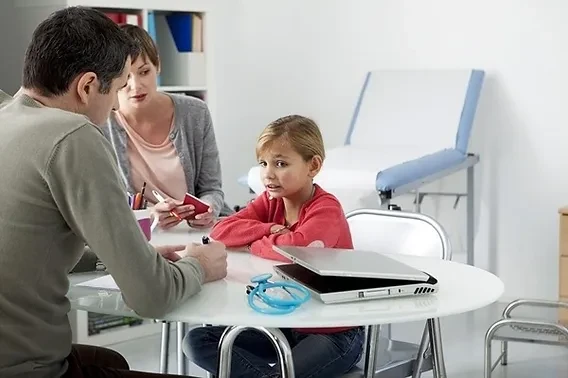
Divorce Counselling for Children in Richmond Hill
Big changes like divorce can be tough on kids. Let’s help them adjust and heal.
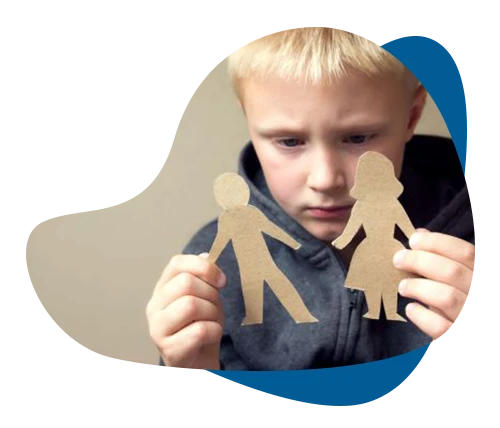
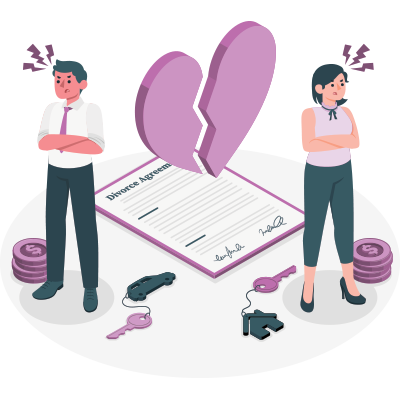
When parents separate or divorce, children often experience a wide range of emotions. Some children become sad, anxious, angry, or withdrawn, while others struggle with changes in routines, living arrangements, and family relationships. Even when divorce reduces conflict at home, adjusting to a new family structure can be challenging.
Divorce counselling for children in Richmond Hill provides a safe and supportive space where children can express their feelings, understand family changes, and develop healthy coping skills. Shiva Movafaghian, a Child and Youth Therapist and Certified Play Therapist with more than 15 years of experience supporting children and families, helps children navigate separation, divorce, co-parenting transitions, and other significant family changes.
How Divorce Affects Children
Every child responds to divorce differently. A child's age, personality, relationship with each parent, and the level of conflict surrounding the separation can all influence how they adjust.
Children may experience:
- Sadness and grief
- Anxiety and uncertainty
- Anger or frustration
- Confusion about family changes
- Fear of abandonment
- Guilt or self-blame
- Difficulty concentrating
- Changes in sleep or appetite
- Withdrawal from friends or activities
Many children worry about what divorce means for their future and whether both parents will continue to be part of their lives.
Signs Your Child May Be Struggling With Divorce
Some children openly express their emotions, while others show signs of distress through behaviour.
Common signs include:
- Increased emotional outbursts
- Clinginess or separation difficulties
- Declining school performance
- Irritability or anger
- Anxiety about transitions between homes
- Sleep difficulties or nightmares
- Social withdrawal
- Frequent reassurance-seeking
- Physical complaints such as headaches or stomach aches
Professional support may be beneficial when these difficulties persist or begin affecting daily life.
Common Challenges Children Face After Separation
Adjusting to Two Homes
Moving between households can create uncertainty and stress. Children may struggle with different rules, routines, expectations, or schedules.
Loyalty Conflicts
Many children feel caught between parents after a separation. They may worry about hurting one parent's feelings by expressing affection for the other.
Self-Blame
Children sometimes believe they caused the divorce because of something they said, did, or failed to do. These beliefs can lead to guilt, anxiety, and low self-esteem.
Changes in Family Relationships
Children may need time to adjust to new family dynamics, including stepfamilies, new partners, changes in custody arrangements, or reduced contact with extended family members.
Our Approach to Divorce Counselling
Every child experiences divorce differently. Therapy is tailored to the child's age, developmental stage, personality, and specific challenges.
Shiva creates a safe, supportive, and non-judgmental environment where children can express emotions openly while developing healthy coping skills and resilience.
Play Therapy
Children often communicate their feelings through play long before they can explain them with words.
Through drawing, storytelling, role-play, games, and creative activities, children can safely explore emotions related to divorce and family changes. Play therapy helps children express sadness, anger, confusion, and worries in ways that feel comfortable and natural.
Cognitive Behavioural Therapy (CBT)
Children affected by divorce may develop unhelpful beliefs about themselves or their family situation.
CBT helps children identify these thoughts and replace them with healthier, more balanced perspectives. For example, children who blame themselves for the divorce can learn to understand that the separation is not their responsibility and that they are still loved and supported by both parents.
Emotional Regulation Skills
Divorce can trigger powerful emotions that children may struggle to manage.
Therapy teaches practical emotional regulation strategies, including:
- Deep breathing
- Mindfulness activities
- Grounding techniques
- Emotional awareness skills
- Relaxation exercises
These tools help children cope with anxiety, frustration, sadness, and uncertainty more effectively.
Supporting Transitions and Family Changes
Children often feel more secure when changes become predictable.
Shiva may use visual schedules, social stories, role-playing, and preparation strategies to help children adapt to:
- Moving between households
- New custody arrangements
- School transitions
- Changes in family routines
- New family members or blended families
By helping children understand what to expect, therapy can reduce anxiety and increase confidence during periods of change.

Helping Children With Loyalty Conflicts
One of the most difficult aspects of divorce for many children is feeling caught between parents.
Children may feel pressured to take sides, hide their feelings, or protect one parent from information about the other. These loyalty conflicts can create significant emotional stress.
Therapy helps children understand that it is okay to love both parents and maintain meaningful relationships with each of them. Through play, conversation, art, and therapeutic activities, children can explore these complicated emotions in a safe and supportive environment.
Parent Coaching and Co-Parenting Support
Parents play a vital role in helping children adjust to divorce.
Parent coaching may focus on:
- Supporting emotional regulation
- Responding to difficult behaviours
- Creating predictable routines
- Improving communication
- Managing transitions between homes
- Encouraging healthy adjustment
- Reducing conflict exposure
When possible, Shiva works collaboratively with caregivers to ensure the child's emotional needs remain the priority.
Family Therapy and Shared Communication
Family sessions can provide opportunities for open communication and healing during times of change.
These sessions may help:
- Improve parent-child communication
- Address misunderstandings
- Strengthen family relationships
- Support emotional expression
- Build trust and connection
Family therapy can be particularly beneficial when children are struggling to express concerns or adjust to new family dynamics.
Helping Children Build Resilience After Divorce
Children are remarkably resilient when they receive appropriate support.
Therapy focuses not only on managing current challenges but also on helping children develop confidence, emotional awareness, healthy coping skills, and problem-solving abilities that will continue to benefit them in the future.
The goal is not simply to help children survive family changes, but to help them adapt, grow, and thrive.
Why Families Choose Alpha Child Therapy for Divorce Counselling
Families seeking divorce counselling for children in Richmond Hill choose Alpha Child Therapy because of Shiva's compassionate, evidence-based, and child-centred approach.
- More than 15 years of experience supporting children and families
- Child and Youth Therapist and Certified Play Therapist
- Play-based and evidence-informed therapy
- CBT and emotional regulation support
- Parent coaching and co-parenting guidance
- Family therapy options
- Support for loyalty conflicts and major transitions
- In-person sessions in Richmond Hill and online across Ontario
Whether your child is struggling with separation, co-parenting transitions, family conflict, or adjusting to a new family structure, support is available.
Book an appointment for an in-person session at 147 Oxford Street, Richmond Hill, or an online session.
Frequently Asked Questions
Online Courses & Tools

Solutions for Sleeping Disorders
Getting a good night’s sleep is essential for both children and parents. In this episode, we discuss common sleep disturbances in children and explore the science behind sleep disorders. […]
FREE

SOS Help for Emotions: Managing Anxiety
SOS Help for Emotions – Managing Anxiety, Anger, And Depression is a self-help book that is fun to listen to and easy to apply. […]
FREE

Children's Anxiety
Anxiety in children can be subtle yet deeply disruptive—affecting their emotional development, school performance, and relationships. This comprehensive course, […]
$149.99
When parents separate or divorce, children often experience a wide range of emotions. Some children become sad, anxious, angry, or withdrawn, while others struggle with changes in routines, living arrangements, and family relationships. Even when divorce reduces conflict at home, adjusting to a new family structure can be challenging.
Divorce counselling for children in Richmond Hill provides a safe and supportive space where children can express their feelings, understand family changes, and develop healthy coping skills. Shiva Movafaghian, a Child and Youth Therapist and Certified Play Therapist with more than 15 years of experience supporting children and families, helps children navigate separation, divorce, co-parenting transitions, and other significant family changes.
How Divorce Affects Children
Every child responds to divorce differently. A child’s age, personality, relationship with each parent, and the level of conflict surrounding the separation can all influence how they adjust.
Children may experience:
- Sadness and grief
- Anxiety and uncertainty
- Anger or frustration
- Confusion about family changes
- Fear of abandonment
- Guilt or self-blame
- Difficulty concentrating
- Changes in sleep or appetite
- Withdrawal from friends or activities
Many children worry about what divorce means for their future and whether both parents will continue to be part of their lives.
Signs Your Child May Be Struggling With Divorce
Some children openly express their emotions, while others show signs of distress through behaviour.
Common signs include:
- Increased emotional outbursts
- Clinginess or separation difficulties
- Declining school performance
- Irritability or anger
- Anxiety about transitions between homes
- Sleep difficulties or nightmares
- Social withdrawal
- Frequent reassurance-seeking
- Physical complaints such as headaches or stomach aches
Professional support may be beneficial when these difficulties persist or begin affecting daily life.
Common Challenges Children Face After Separation
Adjusting to Two Homes
Moving between households can create uncertainty and stress. Children may struggle with different rules, routines, expectations, or schedules.
Loyalty Conflicts
Many children feel caught between parents after a separation. They may worry about hurting one parent’s feelings by expressing affection for the other.
Self-Blame
Children sometimes believe they caused the divorce because of something they said, did, or failed to do. These beliefs can lead to guilt, anxiety, and low self-esteem.
Changes in Family Relationships
Children may need time to adjust to new family dynamics, including stepfamilies, new partners, changes in custody arrangements, or reduced contact with extended family members.
Our Approach to Divorce Counselling
Every child experiences divorce differently. Therapy is tailored to the child’s age, developmental stage, personality, and specific challenges.
Shiva creates a safe, supportive, and non-judgmental environment where children can express emotions openly while developing healthy coping skills and resilience.
Play Therapy
Children often communicate their feelings through play long before they can explain them with words.
Through drawing, storytelling, role-play, games, and creative activities, children can safely explore emotions related to divorce and family changes. Play therapy helps children express sadness, anger, confusion, and worries in ways that feel comfortable and natural.
Cognitive Behavioural Therapy (CBT)
Children affected by divorce may develop unhelpful beliefs about themselves or their family situation.
CBT helps children identify these thoughts and replace them with healthier, more balanced perspectives. For example, children who blame themselves for the divorce can learn to understand that the separation is not their responsibility and that they are still loved and supported by both parents.
Emotional Regulation Skills
Divorce can trigger powerful emotions that children may struggle to manage.
Therapy teaches practical emotional regulation strategies, including:
- Deep breathing
- Mindfulness activities
- Grounding techniques
- Emotional awareness skills
- Relaxation exercises
These tools help children cope with anxiety, frustration, sadness, and uncertainty more effectively.
Supporting Transitions and Family Changes
Children often feel more secure when changes become predictable.
Shiva may use visual schedules, social stories, role-playing, and preparation strategies to help children adapt to:
- Moving between households
- New custody arrangements
- School transitions
- Changes in family routines
- New family members or blended families
By helping children understand what to expect, therapy can reduce anxiety and increase confidence during periods of change.
Helping Children With Loyalty Conflicts
One of the most difficult aspects of divorce for many children is feeling caught between parents.
Children may feel pressured to take sides, hide their feelings, or protect one parent from information about the other. These loyalty conflicts can create significant emotional stress.
Therapy helps children understand that it is okay to love both parents and maintain meaningful relationships with each of them. Through play, conversation, art, and therapeutic activities, children can explore these complicated emotions in a safe and supportive environment.
Parent Coaching and Co-Parenting Support
Parents play a vital role in helping children adjust to divorce.
Parent coaching may focus on:
- Supporting emotional regulation
- Responding to difficult behaviours
- Creating predictable routines
- Improving communication
- Managing transitions between homes
- Encouraging healthy adjustment
- Reducing conflict exposure
When possible, Shiva works collaboratively with caregivers to ensure the child’s emotional needs remain the priority.
Family Therapy and Shared Communication
Family sessions can provide opportunities for open communication and healing during times of change.
These sessions may help:
- Improve parent-child communication
- Address misunderstandings
- Strengthen family relationships
- Support emotional expression
- Build trust and connection
Family therapy can be particularly beneficial when children are struggling to express concerns or adjust to new family dynamics.
Helping Children Build Resilience After Divorce
Children are remarkably resilient when they receive appropriate support.
Therapy focuses not only on managing current challenges but also on helping children develop confidence, emotional awareness, healthy coping skills, and problem-solving abilities that will continue to benefit them in the future.
The goal is not simply to help children survive family changes, but to help them adapt, grow, and thrive.
Why Families Choose Alpha Child Therapy for Divorce Counselling
Families seeking divorce counselling for children in Richmond Hill choose Alpha Child Therapy because of Shiva’s compassionate, evidence-based, and child-centred approach.
- More than 15 years of experience supporting children and families
- Child and Youth Therapist and Certified Play Therapist
- Play-based and evidence-informed therapy
- CBT and emotional regulation support
- Parent coaching and co-parenting guidance
- Family therapy options
- Support for loyalty conflicts and major transitions
- In-person sessions in Richmond Hill and online across Ontario
Whether your child is struggling with separation, co-parenting transitions, family conflict, or adjusting to a new family structure, support is available.
Book an appointment for an in-person session at 147 Oxford Street, Richmond Hill, or an online session.