




Separation Anxiety Therapy in Richmond Hill
Saying goodbye shouldn't be so difficult or overwhelming. Discover ways to ease your child’s anxiety.

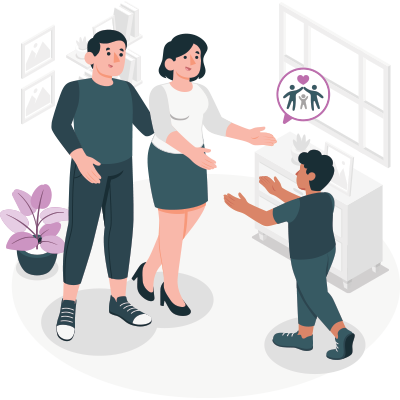
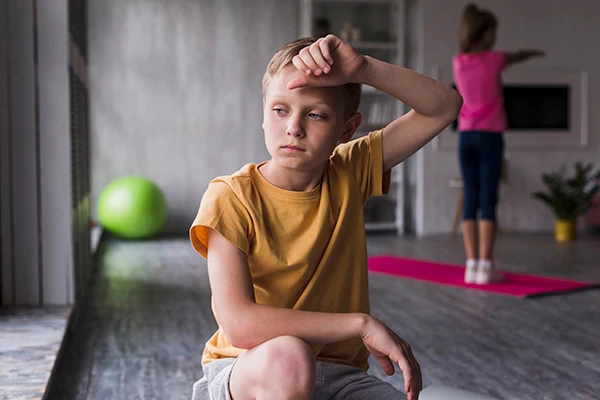
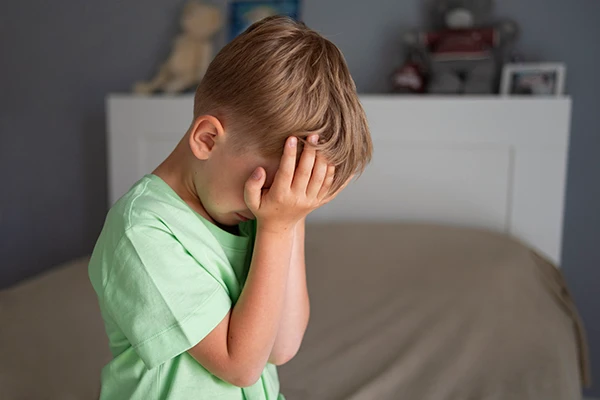
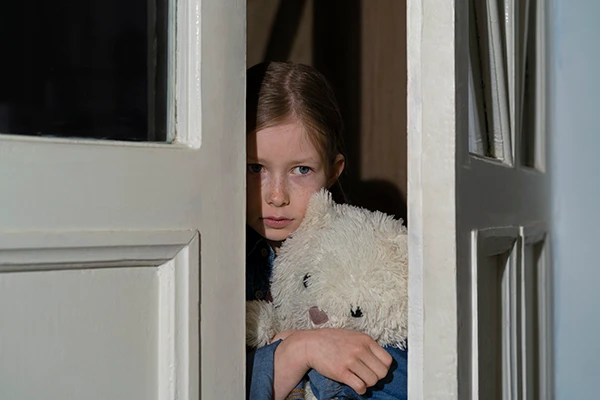
For some children, saying goodbye feels much harder than parents expect. Tears at school drop-off, stomach aches before leaving home, repeated reassurance-seeking, or refusing to sleep alone can turn everyday routines into stressful experiences for the entire family.
Separation anxiety is a strong fear or worry about being away from a parent, caregiver, or other important attachment figure. While some separation anxiety is a normal part of childhood development, persistent or intense fears can interfere with school, sleep, friendships, activities, and family life.
At Alpha Child Therapy, separation anxiety therapy in Richmond Hill helps children feel safer during separations while building confidence, resilience, and age-appropriate independence. Shiva Movafaghian, a Child and Youth Therapist and Certified Play Therapist with more than 15 years of experience supporting children and youth, uses evidence-based approaches that help children manage anxiety while providing parents with practical strategies they can use at home.
What Is Separation Anxiety?
Childhood separation anxiety involves excessive worry about being apart from a parent or caregiver. Children may fear that something bad will happen to their loved ones, worry about being left alone, or feel unable to cope when separated.
For broader fears and worries that extend beyond separation, families may also benefit from exploring our child anxiety therapy services in Richmond Hill.
Normal Separation Anxiety vs. Separation Anxiety Disorder
Some separation anxiety is a normal developmental stage, particularly in younger children. Professional support may be beneficial when anxiety becomes unusually intense for a child's age, lasts longer than expected, or begins affecting school attendance, sleep, social activities, or daily family routines.
Separation Anxiety Disorder may involve persistent distress that significantly interferes with a child's ability to function independently and confidently in everyday situations.
Who Can Experience Separation Anxiety?
Although separation anxiety is most common during childhood, older children and teenagers can also experience it, especially following stressful life events, family changes, illness, school transitions, or other significant challenges.
Alpha Child Therapy provides support for children, youth, and families experiencing separation-related anxiety.
Signs and Symptoms of Separation Anxiety
Children express separation anxiety in different ways. Common signs may include:
- Crying, clinging, or panic during goodbyes
- Refusing school, daycare, or activities
- Frequent reassurance-seeking
- Excessive worry about a parent’s safety
- Nightmares about separation
- Difficulty sleeping alone
- Stomach aches, headaches, or other physical complaints
- Difficulty concentrating when apart from caregivers
- Emotional outbursts before separations
- Avoidance of situations that involve independence
These symptoms can become increasingly disruptive when children begin avoiding experiences that would otherwise help them build confidence and independence.
What Causes Separation Anxiety?
There is rarely a single cause of separation anxiety. It often develops through a combination of temperament, developmental factors, life experiences, and stressful events.
Separation fears may become stronger after:
- Starting school or daycare
- Moving to a new home
- Changes in family structure
- Illness or hospitalization
- Parents separating or divorcing
- The death of a loved one
- Bullying or social difficulties
- Other significant life transitions
How Separation Anxiety Can Affect Daily Life
When separation anxiety becomes severe, it can impact many areas of a child's life, including:
- School attendance and academic performance
- Bedtime and sleep routines
- Friendships and social activities
- Participation in extracurricular programs
- Family routines and daily responsibilities
- Development of independence and self-confidence
Without support, children may become increasingly reliant on caregivers and miss opportunities to develop coping skills in new environments.
Effective Treatment for Separation Anxiety in Richmond Hill
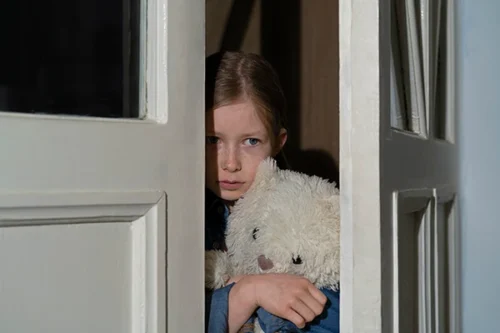
Treatment is tailored to each child's age, personality, developmental stage, and specific anxiety triggers. Shiva creates a safe, supportive environment where children feel understood and respected while gradually learning to tolerate and manage separation.
Therapy may include cognitive behavioural therapy (CBT), play therapy, gradual exposure, mindfulness strategies, attachment-focused work, emotional regulation training, and parent coaching.
Cognitive Behavioural Therapy (CBT)
Cognitive Behavioural Therapy helps children recognize anxious thoughts and develop more balanced, realistic ways of responding to them.
Many children with separation anxiety imagine worst-case scenarios, such as believing something bad will happen to a parent while they are apart. Through storytelling, role-playing, games, and age-appropriate CBT techniques, children learn how to challenge these fears and build confidence in their ability to cope.
Play Therapy for Children
Play is a child's natural language. Through toys, stories, art, and imaginative activities, children can communicate fears and worries that may be difficult to express directly.
Play therapy for separation anxiety allows children to safely explore feelings about goodbyes, independence, and reunions while learning new coping strategies in a comfortable and engaging environment.
By observing play themes and behaviours, Shiva gains valuable insight into the child's emotional experiences and can tailor therapy to their specific needs.
Gradual Exposure and Confidence Building
Gradual exposure is one of the most effective approaches for separation anxiety. Rather than avoiding feared situations, children learn to face separations in small, manageable steps.
For example, a child struggling with school attendance may begin with brief separations before gradually increasing independence over time. These experiences are carefully paced to help children build confidence without feeling overwhelmed.
As children experience successful separations, they begin to develop a stronger sense of competence and trust in their ability to cope.
Attachment-Based Therapy
Attachment-focused therapy supports a child's sense of safety and security while encouraging healthy independence. Children learn that strong connections with caregivers remain intact even when they are apart.
This approach often includes strengthening parent-child relationships, creating predictable routines, and helping children develop confidence in unfamiliar situations.
Mindfulness and Emotional Regulation Techniques
Separation anxiety often creates intense emotional and physical reactions. Children may experience racing thoughts, tension, stomach aches, or panic when facing separation.
Mindfulness and emotional regulation strategies help children recognize these feelings and respond more effectively. Techniques may include:
- Deep breathing exercises
- Guided imagery
- Progressive muscle relaxation
- Grounding techniques
- Emotional awareness activities
These skills can be used at home, at school, and during difficult transitions to help children feel calmer and more in control.
Family Therapy and Parent Coaching
Parent involvement is one of the most important factors in successful treatment. Children often look to caregivers for cues about how safe a situation is, which means parental responses can strongly influence a child's anxiety.
Parent coaching may focus on:
- Creating predictable goodbye routines
- Responding calmly to distress
- Setting consistent boundaries
- Encouraging independence gradually
- Reducing reassurance cycles
- Supporting emotional regulation at home
Parents may also learn how to manage their own emotions during separations, helping children feel more secure and confident.
School Collaboration and Transition Support
When separation anxiety affects school attendance or classroom transitions, consistency between therapy, home, and school becomes especially important.
With parent consent, Shiva can collaborate with teachers, guidance staff, and other school professionals to develop supportive strategies that help children manage anxiety and participate more comfortably in school routines.
Her experience working within Canadian school systems helps families navigate school-related anxiety with greater confidence and support.
Why Choose Our Richmond Hill Separation Anxiety Therapist?
Shiva combines Certified Play Therapy, Cognitive Behavioural Therapy (CBT), gradual exposure techniques, mindfulness strategies, attachment-focused interventions, and parent coaching to support children and teens experiencing separation anxiety.
Families choose Alpha Child Therapy because of:
- Experienced child specialist: Over 15 years of experience supporting children and youth.
- Evidence-based care: Integrates CBT, play therapy, gradual exposure, and emotional regulation strategies.
- Strong parent involvement: Practical tools and coaching for caregivers.
- School collaboration: Support when anxiety affects attendance and transitions.
- Flexible appointments: In-person sessions at 147 Oxford Street, Richmond Hill, and online appointments across Ontario.
Frequently Asked Questions
Online Courses & Tools
Solutions for Sleeping Disorders
Getting a good night’s sleep is essential for both children and parents. In this episode, we discuss common sleep disturbances in children and explore the science behind sleep disorders. […]
FREE

SOS Help for Emotions: Managing Anxiety
SOS Help for Emotions – Managing Anxiety, Anger, And Depression is a self-help book that is fun to listen to and easy to apply. […]
FREE

Children's Anxiety
Anxiety in children can be subtle yet deeply disruptive—affecting their emotional development, school performance, and relationships. This comprehensive course, […]
$149.99