







Self-Confidence Therapy for Children in Richmond Hill
Helping your child believe in themselves can change everything. Ready to start?


Some children are quick to say, “I can’t do it” before they even try. Others compare themselves constantly to classmates, avoid new experiences, or become overwhelmed by mistakes. While occasional self-doubt is a normal part of growing up, persistent low confidence can affect friendships, school performance, emotional well-being, and a child’s willingness to take healthy risks.
Self-confidence and self-esteem therapy in Richmond Hill helps children develop a stronger sense of self-worth, recognize their strengths, and approach challenges with greater confidence. Shiva Movafaghian, a Child and Youth Therapist and Certified Play Therapist, uses play therapy, CBT, mindfulness, emotional regulation strategies, and parent coaching to help children build lasting confidence from the inside out.
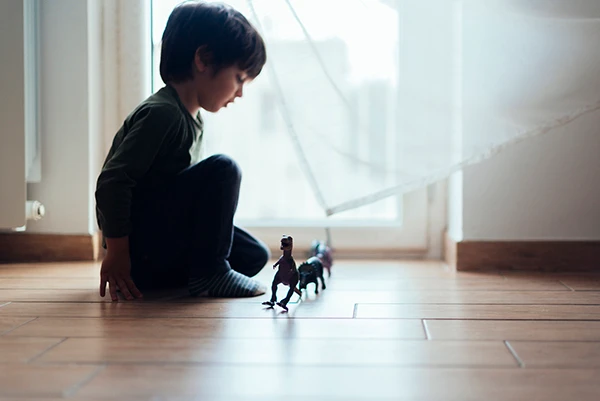
[Keep existing image selfconfidence.png beside the intro]
Understanding Self-Confidence and Self-Esteem
Although the terms are often used interchangeably, self-confidence and self-esteem are slightly different.
- Self-confidence refers to a child's belief in their ability to handle challenges, learn new skills, and succeed in different situations.
- Self-esteem refers to how a child feels about themselves overall and whether they see themselves as valuable, capable, and worthy.
Children with healthy self-esteem are more likely to recover from setbacks, express their opinions, form healthy relationships, and try new experiences even when success is not guaranteed.
Signs of Low Self-Confidence in Children
Children do not always say they lack confidence directly. Instead, it may appear through their behaviour, emotions, or reactions to everyday situations.
Common signs include:
- Fear of making mistakes
- Avoiding new activities
- Giving up easily
- Excessive perfectionism
- Frequent self-criticism
- Comparing themselves to others
- Difficulty accepting compliments
- Social withdrawal
- Reluctance to speak in class
- Anxiety about performance
- Seeking constant reassurance
- Becoming highly upset after minor setbacks
Some children may also experience confidence difficulties alongside anxiety, ADHD, learning challenges, social difficulties, or bullying experiences.
What Causes Low Self-Esteem?
There is rarely one single reason why a child struggles with confidence. Self-esteem develops through a combination of experiences, relationships, temperament, and environment.
Negative Experiences
Repeated criticism, bullying, academic struggles, social rejection, or difficult life events can affect how children view themselves.
Perfectionism
Children who place extremely high expectations on themselves may feel unsuccessful even when they are doing well. Perfectionism often leads to self-doubt and fear of failure.
Anxiety and Emotional Challenges
Children experiencing anxiety may underestimate their abilities and become overly focused on mistakes or possible problems.
Learning and Academic Difficulties
Children who struggle at school may begin to believe they are not capable, even when their strengths exist in other areas.
Social Challenges
Difficulties making friends, feeling left out, or experiencing peer conflict can have a significant impact on confidence and self-worth.
How Low Confidence Can Affect Daily Life
Confidence influences many aspects of a child's development.
Low self-esteem may affect:
- Academic performance
- Classroom participation
- Friendships
- Extracurricular activities
- Independence
- Problem-solving abilities
- Emotional regulation
- Willingness to try new experiences
When children believe they are incapable or likely to fail, they often avoid opportunities that could help them grow.
Our Approach to Building Confidence
Every child develops confidence differently. Therapy is tailored to the child's age, personality, strengths, challenges, and goals.
Shiva focuses on helping children develop genuine self-confidence based on self-awareness, resilience, emotional growth, and positive experiences rather than relying solely on praise or external validation.

Play Therapy for Self-Esteem
Play provides children with a natural and comfortable way to express emotions, explore challenges, and build confidence.
Through games, storytelling, art, role-play, and creative activities, children can:
- Discover personal strengths
- Practice problem-solving
- Develop independence
- Build emotional awareness
- Improve social confidence
Play therapy allows children to experience success, mastery, and self-expression in a supportive environment.
Cognitive Behavioural Therapy (CBT)
Many children develop negative beliefs about themselves that become barriers to confidence.
Examples include:
- "I'm not smart enough."
- "Everyone is better than me."
- "If I make a mistake, people will laugh at me."
- "I always fail."
CBT helps children identify these unhelpful thought patterns and replace them with more balanced, realistic, and supportive ways of thinking.
As children learn to challenge negative self-talk, their confidence often begins to grow naturally.
Building Resilience Through Achievable Goals
Confidence develops through experience.
Rather than focusing only on outcomes, Shiva helps children:
- Set realistic goals
- Break challenges into manageable steps
- Recognize effort and progress
- Learn from mistakes
- Develop persistence
Achieving small goals gradually strengthens a child's belief in their own abilities.
Helping Children Manage Fear of Failure
Many confidence struggles are connected to fear of making mistakes.
Children learn that mistakes are part of learning rather than evidence of failure. Therapy helps children become more comfortable with challenges, uncertainty, and situations where success is not guaranteed.
Developing this mindset often improves confidence both inside and outside the classroom.
Mindfulness and Emotional Regulation
Confidence is closely connected to emotional well-being.
Children who become overwhelmed by anxiety, frustration, embarrassment, or disappointment may begin avoiding situations that challenge them.
Mindfulness techniques such as:
- Deep breathing
- Guided imagery
- Relaxation exercises
- Body awareness activities
- Grounding strategies
help children manage difficult emotions while remaining engaged in new experiences.
Social Confidence and Friendships
Some children feel confident at home but struggle in social situations.
Therapy can help children:
- Develop conversation skills
- Build assertiveness
- Express opinions respectfully
- Manage peer conflict
- Improve social problem-solving
- Feel more comfortable in group settings
As social confidence grows, children often feel more connected and capable in their relationships.
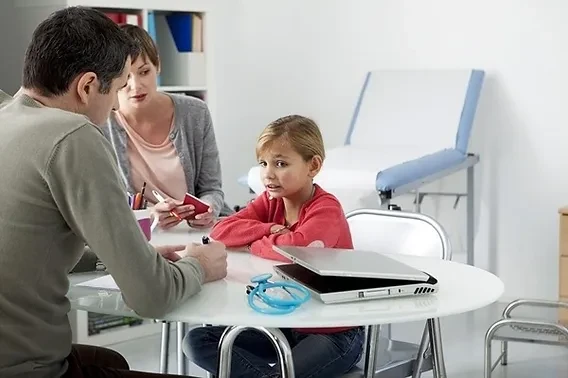
[Keep existing image Self-Confidence-500x333.jpg here]
Parent Coaching and Family Support
Parents play an important role in shaping confidence and self-esteem.
Parent coaching may focus on:
- Encouraging independence
- Supporting healthy risk-taking
- Responding to mistakes constructively
- Reducing excessive reassurance
- Building resilience
- Strengthening emotional connection
- Using praise effectively
Rather than focusing only on achievements, parents learn strategies that help children develop lasting confidence based on effort, growth, and self-acceptance.
Why Families Choose Alpha Child Therapy for Confidence Support
Families seeking self-esteem counselling and confidence-building support in Richmond Hill choose Alpha Child Therapy because of Shiva's warm, child-centred, and evidence-based approach.
- Certified Play Therapist
- Child and Youth Therapist
- More than 15 years of experience supporting children and youth
- CBT and emotional regulation strategies
- Parent coaching and family support
- Support for anxiety, perfectionism, social confidence, and self-esteem
- In-person sessions in Richmond Hill and online across Ontario
Confidence is not about being perfect. It is about helping children trust themselves, cope with challenges, and recognize their own strengths.
Book an appointment for an in-person session at 147 Oxford Street, Richmond Hill, or an online session.
Frequently Asked Questions
Online Courses & Tools

Solutions for Sleeping Disorders
Getting a good night’s sleep is essential for both children and parents. In this episode, we discuss common sleep disturbances in children and explore the science behind sleep disorders. […]
FREE

SOS Help for Emotions: Managing Anxiety
SOS Help for Emotions – Managing Anxiety, Anger, And Depression is a self-help book that is fun to listen to and easy to apply. […]
FREE

Children's Anxiety
Anxiety in children can be subtle yet deeply disruptive—affecting their emotional development, school performance, and relationships. This comprehensive course, […]
$149.99