






Grief Counselling for Children in Richmond Hill
Helping kids process grief can feel overwhelming. Let us guide you and your child.


“When is Grandpa coming back?”
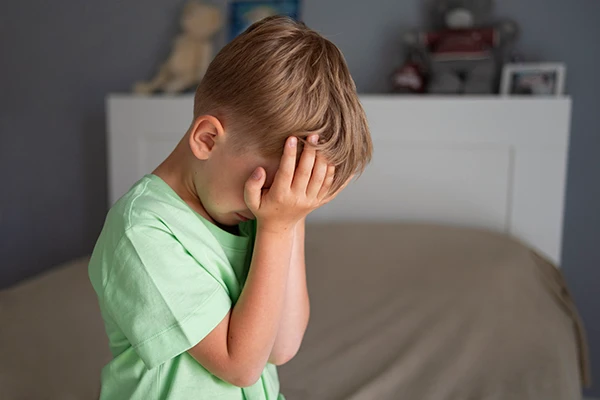
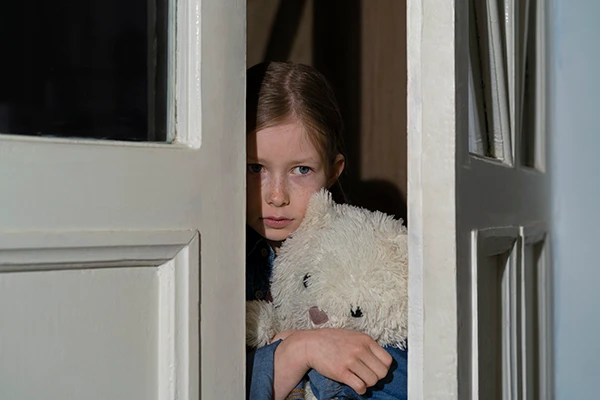
Questions like this can be especially hard to answer when you are grieving too. Children feel loss deeply, but their grief may appear through play, behaviour changes, repeated questions, anger, anxiety, or quiet moments rather than long conversations about sadness.
Grief counselling for children in Richmond Hill provides a safe place for children to understand what has happened and express emotions at their own pace. Shiva Movafaghian, a Child and Youth Therapist and Certified Play Therapist with more than 15 years of experience supporting children and families, uses play therapy, memory work, storytelling, mindfulness, and parent support to help children navigate loss while building resilience and emotional wellbeing.
How Children Experience Grief
Children often move in and out of grief. They may cry, ask difficult questions, become upset, and then return to playing a short time later. This does not mean the loss is no longer affecting them. It is one of the ways children naturally process emotions that can be difficult to hold for long periods.
Every child grieves differently. Their response may depend on their age, personality, relationship with the person who died, family circumstances, and previous experiences with loss.
Grief Looks Different at Every Age
Children understand death differently as they grow.
Young children may not fully understand that death is permanent. They may repeatedly ask when the person is coming back or seem confused about what has happened.
School-age children begin to understand the permanence of death and may experience sadness, anger, guilt, anxiety, or concerns about losing other important people in their lives.
Teenagers often understand the reality of loss more fully but may express grief through withdrawal, irritability, changes in friendships, or a desire for greater privacy. Some teens may avoid discussing their emotions altogether.
Common Signs of Grief in Children
Grief can affect emotions, behaviour, physical health, and daily functioning.
Common signs may include:
- Sadness and tearfulness
- Anger or irritability
- Anxiety and excessive worry
- Clinginess or separation difficulties
- Feelings of guilt or self-blame
- Changes in sleep patterns
- Nightmares
- Difficulty concentrating
- Changes in appetite
- Withdrawal from friends or activities
- Headaches or stomach aches
- Regression to earlier behaviours in younger children
Children may not always talk directly about their grief, but their emotions often appear through behaviour and everyday interactions.
Types of Loss We Help Children Through
Every loss is unique, and grief therapy should reflect the child's relationship, experiences, and the changes they are facing.
Loss of a Parent, Grandparent, or Caregiver
The death of a parent, grandparent, or caregiver can significantly affect a child's sense of safety, stability, and daily routine. Bereavement counselling helps children process their emotions while adjusting to changes in family life.
Death of a Sibling or Friend
The loss of a sibling or close friend can bring sadness, confusion, anger, guilt, and loneliness. Children may also become worried about the safety of other people they love.
If the death was sudden, unexpected, or traumatic, trauma therapy may also be beneficial as part of the healing process.
Pet Loss
For many children, the death of a pet is their first experience with grief. Pets often provide companionship, comfort, and emotional connection, making their loss deeply meaningful.
Children deserve support and validation when grieving the loss of a beloved pet.
Other Major Losses
Not all grief involves death.
Children may also grieve after:
- Divorce or separation
- Moving away from friends or family
- Loss of an important relationship
- Changes in family structure
- Serious illness affecting a loved one
- Other significant life transitions
These experiences can create sadness, uncertainty, and emotional distress that benefit from compassionate support.
Our Approach to Child Grief Therapy
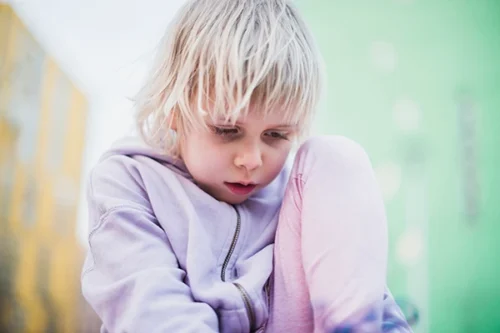 A child's experience of grief is deeply personal. Shiva creates a safe, supportive, and non-judgmental environment where children can express emotions openly, ask difficult questions, and process loss at a pace that feels comfortable for them.
Therapy is adapted to each child's developmental stage, personality, coping style, and the circumstances surrounding the loss.
Sessions may include play therapy, grief-focused narrative therapy, emotional regulation strategies, mindfulness techniques, creative activities, and parent involvement.
Play Therapy
Play is often the most natural way for children to communicate difficult emotions.
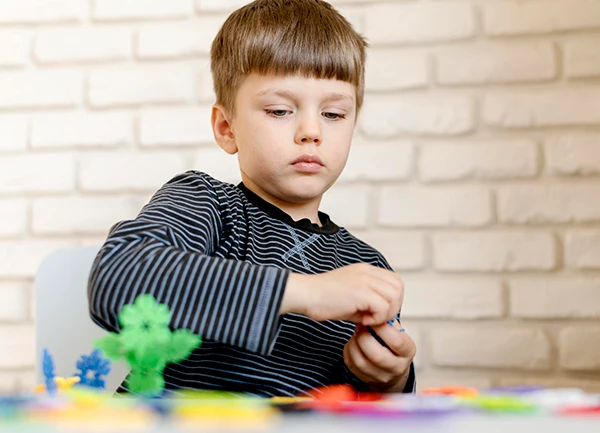
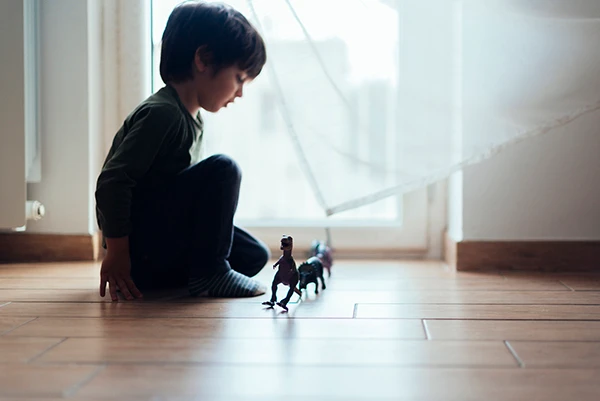
Through drawing, storytelling, figurines, role-play, games, and creative activities, children can express memories, fears, questions, and feelings that may be difficult to put into words.
Play therapy provides a safe outlet for emotional expression while helping children process grief in a developmentally appropriate way.
Memory and Narrative Work
Remembering someone who has died can be an important part of healing.
Shiva incorporates grief-focused narrative therapy to help children make sense of their loss and develop a meaningful story around their experience. Through memory books, letters, storytelling, memory boxes, artwork, and conversations about special moments, children can maintain a healthy connection with the person they lost while gradually adapting to life after the loss.
These activities help children honour important relationships while acknowledging the reality of what has happened.
Coping and Emotional Regulation Skills
Grief can bring powerful emotions that feel confusing or overwhelming.
Children learn practical coping skills that help them manage feelings such as sadness, anger, fear, anxiety, and guilt.
Depending on the child's needs, therapy may include:
- Deep breathing exercises
- Grounding techniques
- Guided imagery
- Mindfulness activities
- Sensory-based coping tools
- Relaxation strategies
These skills help children feel more confident managing difficult emotions both at home and at school.
Understanding Death in an Age-Appropriate Way
Children often have questions about death that adults find difficult to answer.
Shiva helps children understand death in ways that match their developmental stage while encouraging open and honest conversations. Children are reassured that it is okay to ask questions, feel confused, and express a wide range of emotions.
Helping children understand what has happened can reduce anxiety, confusion, and misunderstandings that sometimes develop after a loss.
Family and Parent Support
Supporting a grieving child can be especially difficult when parents and caregivers are grieving too.
Parent coaching provides guidance on:
- Talking to children about death
- Responding to difficult emotions
- Supporting healthy grieving
- Maintaining routines and stability
- Managing behavioural changes
- Creating opportunities to remember loved ones
Parents are encouraged to model healthy emotional expression and self-care while providing reassurance and support.
Family Therapy and Shared Grief
When an entire family is grieving, children often benefit from opportunities to process the loss together.
Family sessions can improve communication, strengthen emotional support, and create space for meaningful conversations about grief. They can also help family members understand one another's different grieving styles and build connection during a challenging time.
By supporting the family as a whole, therapy can promote healing and resilience across generations.
Talking to Your Child About Death
Many parents worry about saying the wrong thing after a death.
In general, children benefit from clear, honest, and age-appropriate explanations.
Helpful approaches include:
- Using words like "died" rather than phrases such as "went to sleep" or "we lost them", which can be confusing for younger children.
- Answering questions honestly, even when the answer is "I don't know."
- Allowing children to express emotions without judgment.
- Expecting repeated questions as children gradually understand the loss.
- Reassuring children that they will continue to be cared for and supported.
Open communication helps children feel safer and less alone in their grief.
When Should a Grieving Child See a Therapist?
Every child grieves differently, and many children adjust with support from family and community.
Professional support may be helpful when:
- Grief is causing significant emotional distress
- Sleep or appetite changes persist
- School performance is declining
- The child withdraws from family or friends
- Anxiety, guilt, or anger become overwhelming
- Behaviour changes become severe or persistent
- The child struggles to participate in everyday activities
- The loss was sudden, traumatic, or unexpected
Therapy can also be helpful when grief remains intense for a prolonged period or when grief is complicated by trauma, anxiety, depression, or significant behavioural difficulties.
If your child talks about wanting to die, wanting to join the person who died, or harming themselves, take those statements seriously. In Canada, call or text 9-8-8 for immediate mental health crisis support, or call 9-1-1 if there is immediate danger.
Helping Children Move Forward After Loss
Grief does not mean forgetting someone important.
Over time, children can learn how to carry memories, maintain meaningful connections, and continue growing while honouring the person they lost. Healing involves finding ways to remember, adapt, and move forward while keeping important relationships and memories close.
Through compassionate, evidence-based support, Shiva helps children strengthen resilience, develop coping skills, and find hope during difficult times. The goal is not to erase grief, but to help children live alongside it in healthy and meaningful ways.
Why Families Choose Alpha Child Therapy for Grief Counselling
Families seeking children's grief support in Richmond Hill choose Alpha Child Therapy because of Shiva's compassionate, child-centred, and evidence-informed approach.
- More than 15 years of experience supporting children and families
- Child and Youth Therapist and Certified Play Therapist
- Play-based support using art, storytelling, and creative expression
- Grief-focused narrative and memory work
- Age-appropriate conversations about death and loss
- Parent coaching and family involvement
- Family therapy options for shared grief
- In-person sessions in Richmond Hill and online across Ontario
Whether your child is grieving the loss of a parent, grandparent, sibling, friend, pet, or another important relationship, support is available.
Book an appointment for an in-person session at 147 Oxford Street, Richmond Hill, or an online session.
Frequently Asked Questions
Online Courses & Tools

Solutions for Sleeping Disorders
Getting a good night’s sleep is essential for both children and parents. In this episode, we discuss common sleep disturbances in children and explore the science behind sleep disorders. […]
FREE

SOS Help for Emotions: Managing Anxiety
SOS Help for Emotions – Managing Anxiety, Anger, And Depression is a self-help book that is fun to listen to and easy to apply. […]
FREE

Children's Anxiety
Anxiety in children can be subtle yet deeply disruptive—affecting their emotional development, school performance, and relationships. This comprehensive course, […]
$149.99