














Learning Disorders Support for Children in Richmond Hill
Every child can learn and grow. Discover how we can support your child’s journey.
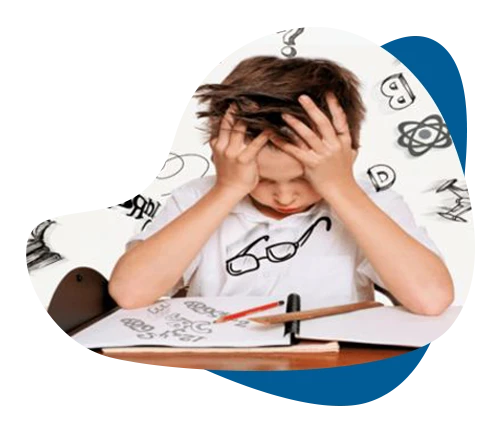
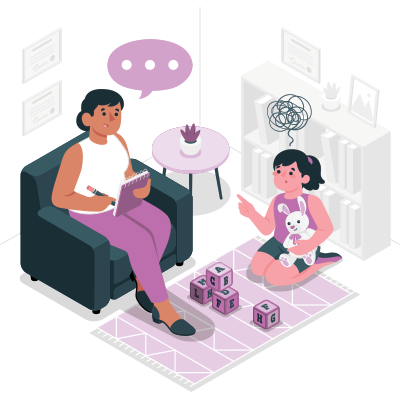
Some children work much harder than their classmates but still struggle with reading, writing, spelling, math, organization, or keeping up with classroom expectations. Over time, these challenges can affect more than academic performance. They can impact confidence, motivation, friendships, and emotional wellbeing.
Learning disorders support in Richmond Hill helps children build resilience, confidence, coping skills, and strategies for managing school-related challenges. Shiva Movafaghian, a Child and Youth Therapist and certified play therapist, works with children experiencing learning difficulties, academic stress, low self-esteem, anxiety, and emotional challenges connected to learning disorders.
Understanding Learning Disorders
Learning disorders are neurodevelopmental differences that affect how a child processes, understands, remembers, or uses information. These challenges are not related to intelligence. Many children with learning disorders are highly capable, creative, and motivated but require different strategies and support to succeed.
Common learning disorders include:
- Dyslexia (reading difficulties)
- Dyscalculia (math difficulties)
- Dysgraphia (writing difficulties)
- Auditory processing difficulties
- Executive functioning challenges
- Nonverbal learning difficulties
Children with learning disorders often experience frustration when their effort does not seem to match their results, which can affect emotional wellbeing and self-confidence.
Signs of Learning Difficulties in Children
Every child learns differently, but some signs may indicate additional support is needed.
Reading Difficulties
Children may struggle with:
- Recognizing words
- Reading fluently
- Reading comprehension
- Following written instructions
- Spelling accurately
Writing Difficulties
Challenges may include:
- Organizing ideas on paper
- Handwriting difficulties
- Grammar and sentence structure
- Completing written assignments
Math Difficulties
Some children find it difficult to:
- Understand number concepts
- Remember math facts
- Follow multi-step calculations
- Solve word problems
- Understand time or measurement concepts
Executive Functioning Challenges
Executive functioning skills help children plan, organize, focus, and manage tasks. Difficulties may appear as:
- Forgetting assignments
- Losing school materials
- Poor time management
- Difficulty starting tasks
- Trouble following multi-step instructions
Emotional Impact of Learning Disorders
Learning challenges often affect much more than academics.
Children may begin to believe they are not smart enough, even when this is far from true. Repeated struggles can lead to frustration, anxiety, perfectionism, school avoidance, or low self-esteem.
Some children become discouraged and stop trying. Others work extremely hard while feeling constant pressure to keep up with their peers.
Therapy helps children understand their strengths, develop confidence, and learn healthier ways to respond to setbacks and challenges.
Learning Disorders and Mental Health
Children with learning disorders are at increased risk for emotional difficulties such as:
- School anxiety
- Test anxiety
- Low self-esteem
- Perfectionism
- Social difficulties
- Behavioural challenges
- Stress related to academic performance
When emotional wellbeing improves, children are often better able to engage with learning and advocate for their needs.
How Therapy Can Help Children with Learning Disorders
Therapy does not replace educational interventions, but it can help children manage the emotional and behavioural effects of learning challenges while building skills that support success at home and school.
Building Self-Confidence
Many children with learning disorders focus heavily on what they find difficult.
Shiva helps children identify their strengths, recognize progress, and develop a more balanced view of themselves. Building confidence often improves motivation, resilience, and willingness to try new challenges.
Managing School Anxiety
Children who struggle academically may worry about making mistakes, being called on in class, or disappointing others.
Therapy helps children understand anxious thoughts, develop coping strategies, and approach school situations with greater confidence.
Emotional Regulation Skills
Frustration is common when learning feels difficult.
Children learn practical emotional regulation skills to manage stress, disappointment, and feelings of overwhelm during homework, tests, and classroom activities.
Executive Functioning Support
Children can learn strategies that support:
- Organization
- Planning
- Task completion
- Time management
- Study habits
- Goal setting
These skills often improve independence both inside and outside the classroom.
Play Therapy for Learning Challenges
Play therapy provides a safe and engaging environment where children can explore emotions connected to learning difficulties.
Through games, storytelling, creative activities, and problem-solving exercises, children build confidence while learning new ways to approach challenges.
Supporting Children with Dyslexia, Dyscalculia, and Other Learning Difficulties

Every child experiences learning challenges differently.
We adapt support to the child's individual strengths, needs, personality, and educational circumstances. Therapy helps children build resilience, self-advocacy skills, emotional wellbeing, and confidence, regardless of their specific diagnosis.
Parent Coaching and Family Support
Parents often see how hard their child is working and want to know how to help.
Parent coaching may include:
- Understanding learning differences
- Reducing homework-related conflict
- Building confidence at home
- Supporting emotional regulation
- Encouraging independence
- Responding to frustration and anxiety effectively
Families receive practical strategies that can be used between sessions to reinforce progress.
Collaboration with Schools and Educational Professionals
With parent consent, Shiva can collaborate with teachers, school staff, educational consultants, psychologists, speech-language pathologists, and other professionals involved in the child's care.
Her experience working within Canadian school environments helps create greater consistency between home, school, and therapy.
Why Families Choose Alpha Child Therapy
Families looking for learning disability support in Richmond Hill often choose Alpha Child Therapy because of Shiva's child-centred, strengths-based approach.
- Focus on emotional wellbeing and confidence
- Certified play therapy approach
- Support for school anxiety and academic stress
- Parent coaching and family guidance
- Collaboration with schools and professionals
- In-person and virtual sessions available
Frequently Asked Questions
Online Courses & Tools
Solutions for Sleeping Disorders
Getting a good night’s sleep is essential for both children and parents. In this episode, we discuss common sleep disturbances in children and explore the science behind sleep disorders. […]
FREE

SOS Help for Emotions: Managing Anxiety
SOS Help for Emotions – Managing Anxiety, Anger, And Depression is a self-help book that is fun to listen to and easy to apply. […]
FREE

Children's Anxiety
Anxiety in children can be subtle yet deeply disruptive—affecting their emotional development, school performance, and relationships. This comprehensive course, […]
$149.99