





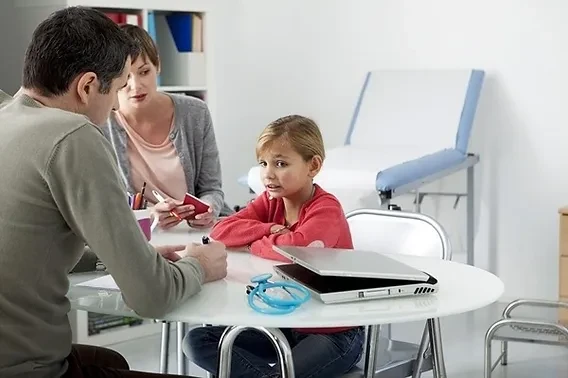
Fear and Phobia Therapy in Richmond Hill
Are fears holding your child back? Let’s help them feel brave and confident.

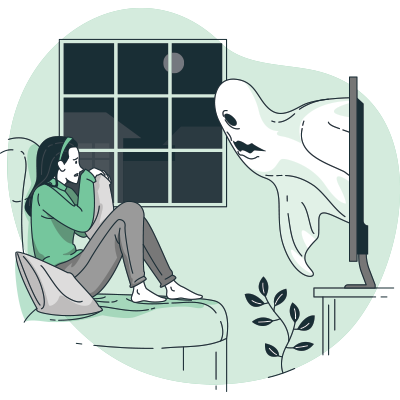
Some children cross the street when they see a dog. Others need the hallway light on all night or become distressed as soon as they hear thunder. When a fear starts deciding where your child can go, what they can do, or how the family plans everyday activities, extra support may help.
[Keep existing image feaars-500x333.jpg beside the intro]
Fear and phobia therapy in Richmond Hill helps children approach frightening situations gradually and build confidence at a pace they can manage. Shiva Movafaghian, a Child and Youth Therapist and Certified Play Therapist with more than 15 years of experience supporting children and youth, uses play therapy, cognitive behavioural therapy (CBT), gradual exposure, mindfulness, and parent coaching to help children overcome persistent fears and participate more comfortably in everyday life.
Understanding Fear and Phobias in Children
Fear is a protective emotion and a normal part of childhood development. It helps children recognize potential danger and respond appropriately to unfamiliar situations. A phobia, however, is more intense and persistent, often causing significant distress and leading children to avoid situations that pose little or no actual threat.
Therapy focuses on helping children understand their fears, build coping skills, and gradually develop confidence in situations they currently find overwhelming.
What Is a Normal Childhood Fear?
Many fears are a natural part of growing up. Babies may startle at loud noises or unfamiliar faces. Preschool-aged children often fear darkness, animals, monsters, or being separated from caregivers. School-age children may become concerned about storms, injuries, illness, medical procedures, or social situations.
Most childhood fears gradually improve as children gain experience, confidence, and reassurance from trusted adults.
What Is a Childhood Phobia?
A childhood phobia is an intense and ongoing fear of a specific object, situation, activity, or experience. The fear feels much larger than the actual danger involved and may trigger strong emotional or physical reactions.
A child with a phobia may go to great lengths to avoid the feared situation, even when avoidance interferes with school, friendships, family activities, or daily routines.
Fear vs. Phobia: What's the Difference?
The main differences are intensity, duration, and impact on daily functioning.
A typical fear usually becomes easier with reassurance, support, and repeated positive experiences. A phobia tends to persist, causes significant distress, and often leads to avoidance behaviours that limit a child's participation in everyday activities.
For a formal diagnosis of Specific Phobia, symptoms typically persist for six months or longer. However, families do not need to wait before seeking support if fear is already affecting sleep, school attendance, medical care, friendships, or family life.
Common Childhood Fears and Phobias
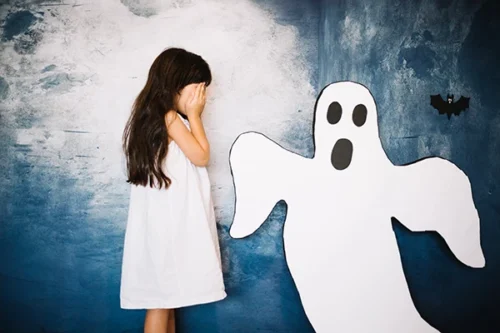 Children can develop strong fears around many different situations, experiences, and objects. Some specific fears may also overlap with broader childhood anxiety concerns.
Fear of the Dark
Fear of the dark often appears at bedtime and may involve refusing to sleep alone, repeatedly calling for parents, needing lights left on, or becoming distressed when alone at night. When severe, it can contribute to ongoing sleep difficulties and bedtime struggles.
Fear of Dogs and Other Animals
A fear of dogs may cause children to avoid parks, neighbourhood walks, friends' homes, or outdoor activities. Similar fears can involve insects, cats, birds, spiders, or other animals.
Fear of Being Alone
Some children become highly distressed whenever they are expected to spend time independently or when a caregiver leaves the room. If the fear primarily revolves around being separated from a parent or caregiver, separation anxiety may also be involved.
Fear of Medical Procedures
Needles, vaccinations, blood tests, dental appointments, hospitals, or medical equipment can trigger intense fear reactions. These fears may lead children to avoid important healthcare appointments or experience significant distress before visits.
Fear of Storms, Thunder, or Loud Noises
Thunderstorms, fireworks, alarms, construction noises, or other sudden sounds can feel overwhelming. Some children become preoccupied with weather forecasts, hide during storms, or seek repeated reassurance before anticipated events.
School Phobia and School Refusal
School phobia is commonly used to describe anxiety-related school avoidance. Children may experience stomach aches, tears, panic, or refusal to attend school. These difficulties can be connected to separation anxiety, bullying, social concerns, academic pressures, or specific fears related to the school environment.
Signs Your Child May Need Phobia Therapy
Almost every child experiences fear at some point. Professional support may be helpful when fear becomes more intense, persists over time, or begins limiting a child's daily activities and opportunities.
Intense Fear Reactions
A child may cry, panic, freeze, cling, hide, run away, or become extremely distressed when faced with the feared object or situation.
Avoidance Behaviours
Children may refuse activities, appointments, events, places, or experiences because they expect to encounter what frightens them. While avoidance provides short-term relief, it often strengthens the fear over time.
Physical Symptoms of Anxiety
Fear can affect the body as well as emotions. Common symptoms include:
- Rapid heartbeat
- Sweating
- Shaking
- Nausea
- Headaches
- Stomach aches
- Difficulty breathing
- Dizziness
Fear That Interferes With Daily Life
Therapy may be beneficial when fear consistently affects sleep, school attendance, medical care, social activities, friendships, family routines, or overall wellbeing.
What Causes Childhood Phobias?
There is not always one clear explanation for why a phobia develops. Most phobias result from a combination of experiences, personality traits, environmental influences, and biological factors.
Learned Experiences
A frightening event, such as being chased by a dog, experiencing a difficult medical procedure, or becoming trapped somewhere, can sometimes contribute to the development of a phobia. Children may also learn fearful responses by observing others.
Temperament and Personality
Some children are naturally more cautious, sensitive, or slow to warm up to unfamiliar situations. These traits do not automatically lead to a phobia, but they may influence how strongly a child reacts to fear-provoking experiences.
Family History of Anxiety
Anxiety and phobias often occur more frequently in some families due to a combination of genetics and learned coping patterns.
Stressful or Traumatic Events
Major life changes, illness, hospitalizations, bullying, loss, or traumatic experiences can increase a child's vulnerability to developing fears and phobias. When fears are closely connected to a traumatic experience, trauma therapy may also be beneficial.
How We Help Children With Fears and Phobias
Every child experiences fear differently. Therapy is tailored to the child's age, developmental level, personality, and the specific situations that trigger anxiety.
Shiva creates a safe, supportive environment where children feel understood and respected while gradually learning new ways to approach feared situations with confidence.
Play Therapy
Play is a child's natural language. Through toys, stories, art, games, and imaginative activities, children can express fears that may feel difficult to describe directly.
Play therapy allows children to explore fears in a safe and developmentally appropriate way. By observing themes within play, Shiva gains valuable insight into the child's experiences and can tailor interventions accordingly.
Cognitive Behavioural Therapy (CBT)
CBT is one of the most effective approaches for childhood fears and phobias.
It helps children identify the thoughts that fuel fear and replace them with more balanced and realistic ways of thinking. Through storytelling, role-play, thought mapping, and age-appropriate exercises, children learn that anxious predictions are not always accurate and that they are capable of handling situations that feel uncomfortable or unfamiliar.
As children gain new perspectives, their confidence often grows alongside their coping skills.
Gradual Exposure Therapy
Gradual exposure is a carefully structured process that helps children face fears in small, manageable steps rather than avoiding them completely.
For example, a child afraid of dogs might begin by looking at pictures, then watching dogs from a distance, before gradually becoming comfortable being closer to a calm and friendly dog.
Exposure is always paced according to the child's comfort level and readiness. The goal is not to force children into frightening situations but to help them experience success while building confidence and resilience.
Mindfulness and Emotional Regulation
Fear often creates strong physical reactions in the body. Mindfulness and emotional regulation strategies help children recognize these reactions and respond more effectively.
Therapy may include:
- Deep breathing exercises
- Guided imagery
- Grounding techniques
- Progressive muscle relaxation
- Emotional awareness activities
These tools help children feel calmer, more in control, and better able to cope when anxiety arises.
Building Confidence and Resilience
The goal of therapy is not simply to reduce fear. It is also to help children feel capable, brave, and confident when facing challenges.
Shiva uses strengths-based and solution-focused approaches to help children recognize their progress, build on past successes, and develop confidence in their ability to handle difficult situations. As children experience success facing fears, they often become more resilient in other areas of life as well, including school, friendships, and new experiences.
Parent Support and Family Involvement
Parents play an important role in helping children overcome fears and phobias.
Therapy includes practical coaching on how to:
- Respond calmly to fear and anxiety
- Encourage brave behaviour
- Reduce reassurance cycles
- Support gradual exposure at home
- Set healthy boundaries
- Reinforce progress and confidence
Parents also learn how to avoid unintentionally strengthening avoidance behaviours while continuing to provide support and emotional security.
School Collaboration and Support
When fears affect school attendance, classroom participation, presentations, field trips, or transitions, consistency across environments becomes especially important.
With parent consent, Shiva can collaborate with teachers, guidance staff, and other school professionals to develop supportive strategies that reduce anxiety and encourage participation. Her experience working within Canadian school systems helps families navigate school-related fears with greater confidence.
Why Choose Our Richmond Hill Fear and Phobia Therapist?
Families choose Alpha Child Therapy because treatment is individualized, evidence-based, and specifically designed for children and youth.
- 15+ years of experience supporting children and families
- Child and Youth Therapist and Certified Play Therapist
- Evidence-based treatment using CBT, gradual exposure, mindfulness, and play therapy
- Strengths-based and solution-focused approach
- Parent coaching and family support
- School collaboration when fears affect attendance or participation
- In-person sessions in Richmond Hill and online across Ontario
Whether your child is struggling with fear of animals, darkness, medical procedures, school attendance, storms, or another specific phobia, support is available.
Book an appointment for an in-person session at 147 Oxford Street, Richmond Hill, or an online session.
Frequently Asked Questions
Online Courses & Tools

Solutions for Sleeping Disorders
Getting a good night’s sleep is essential for both children and parents. In this episode, we discuss common sleep disturbances in children and explore the science behind sleep disorders. […]
FREE

SOS Help for Emotions: Managing Anxiety
SOS Help for Emotions – Managing Anxiety, Anger, And Depression is a self-help book that is fun to listen to and easy to apply. […]
FREE

Children's Anxiety
Anxiety in children can be subtle yet deeply disruptive—affecting their emotional development, school performance, and relationships. This comprehensive course, […]
$149.99