





Autism Masking in Children: What Parents Should Know
November 24, 2026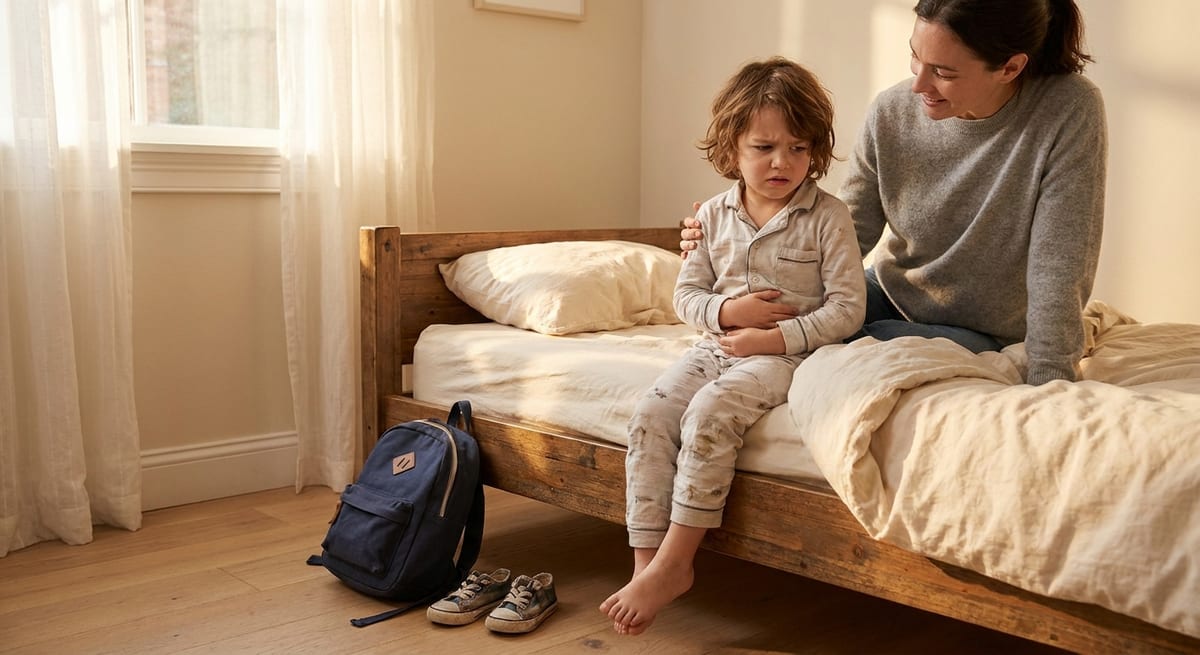
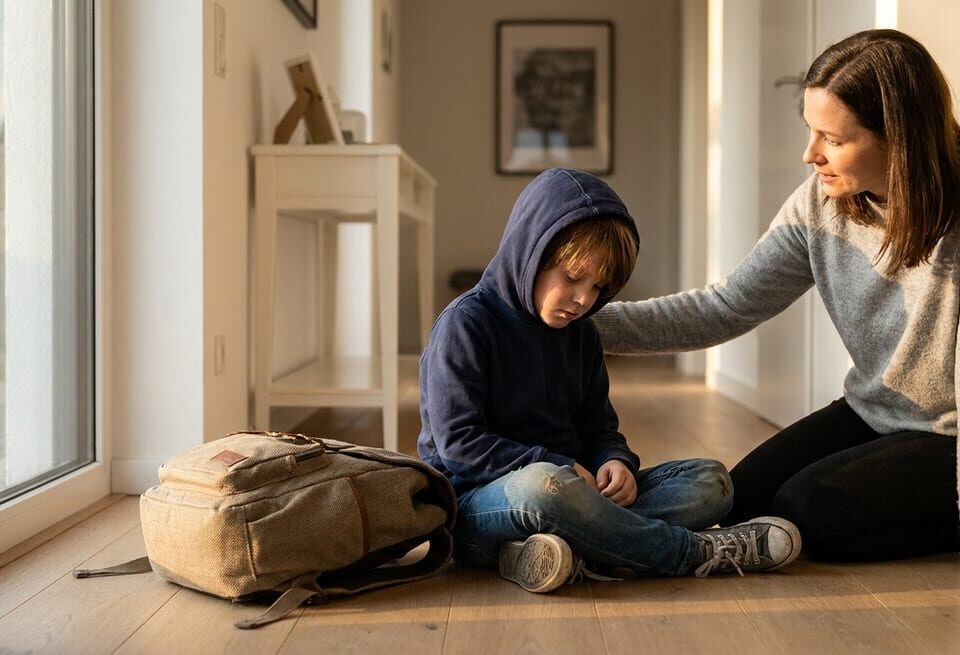
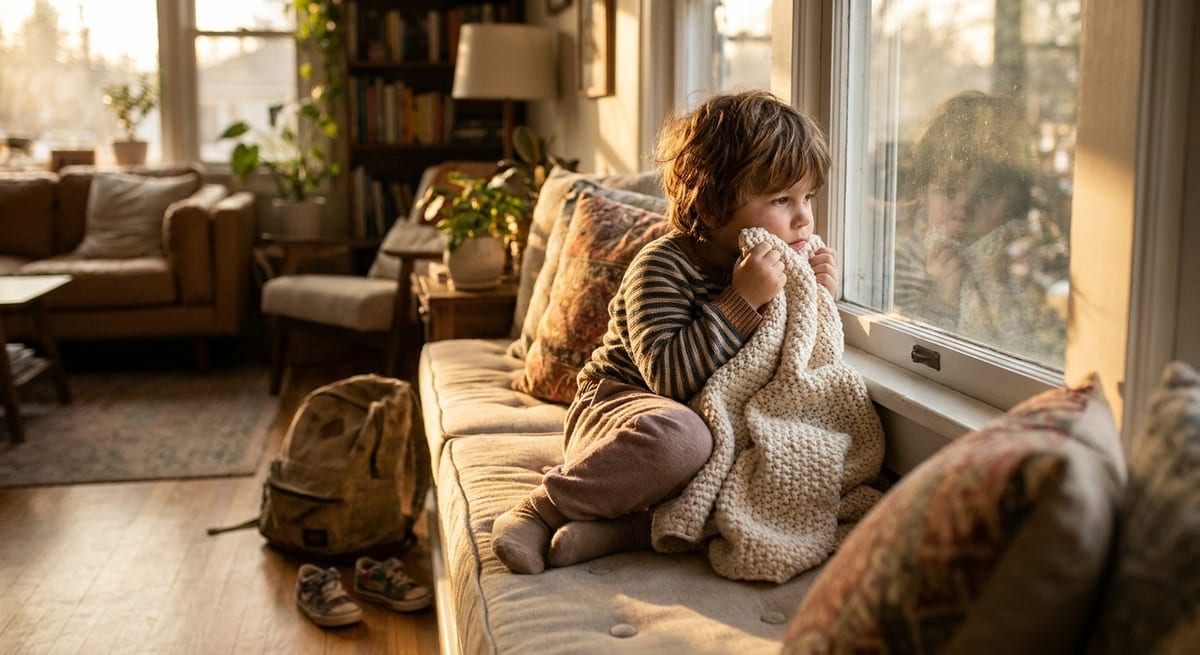
The stomach ache is real. The tears are real. Both disappear by ten in the morning, and for many families the first step is child anxiety therapy. That disappearing act is the part that makes parents doubt themselves. School refusal is one of the hardest things a family can be handed, partly because it tends to be read as defiance by everyone except the child living it. It is also treatable, and it responds considerably better to early intervention than to a long wait.
School Refusal and Truancy Are Not the Same Thing
School refusal is a child-motivated difficulty attending school or staying in class for the full day, and it is driven by distress rather than by a wish to be elsewhere having fun. Truancy looks different. A truant child conceals the absence from parents, is not distressed about missing school, and is usually doing something they prefer. A child in school refusal is often visibly distressed in front of you, frequently wants to go and cannot, and hides nothing. Two features are worth recognizing. Physical symptoms appear in the morning before school, settle if the child stays home, and return the next morning. And mood can shift to stable almost immediately once attendance is off the table for the day, which parents often misread as proof that nothing was really wrong. The spectrum runs from occasional reluctance through to complete refusal, and the onset can be sudden or gradual.
Early Signs Before a Child Stops Going to School
Full refusal rarely arrives without warning. The warning is usually quiet. What tends to come first:
- Morning stomach aches, headaches and nausea on school days that lift on weekends
- Slow mornings that get slower, missed first periods, repeated lateness
- Frequent trips to the school office or calls home asking to be collected
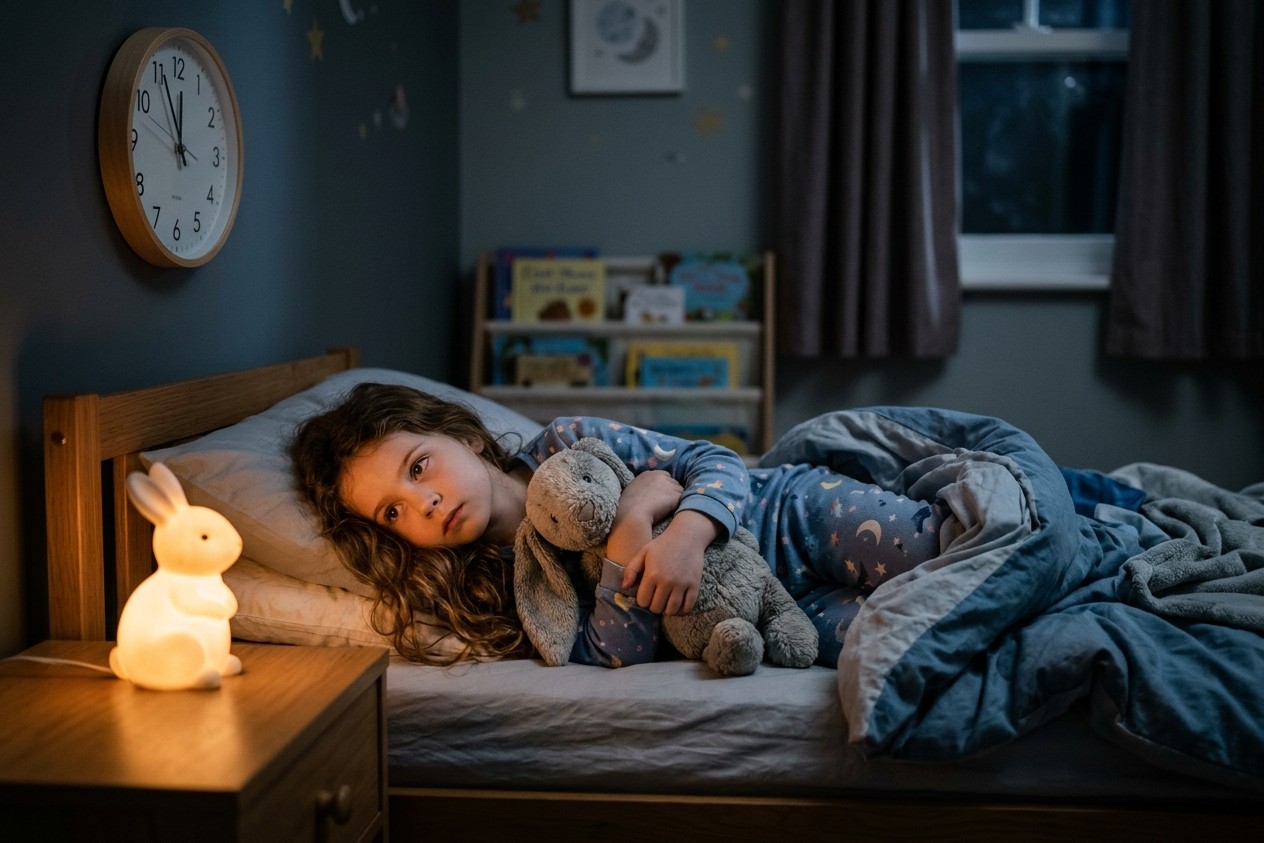
- Sunday evening dread and trouble sleeping on school nights
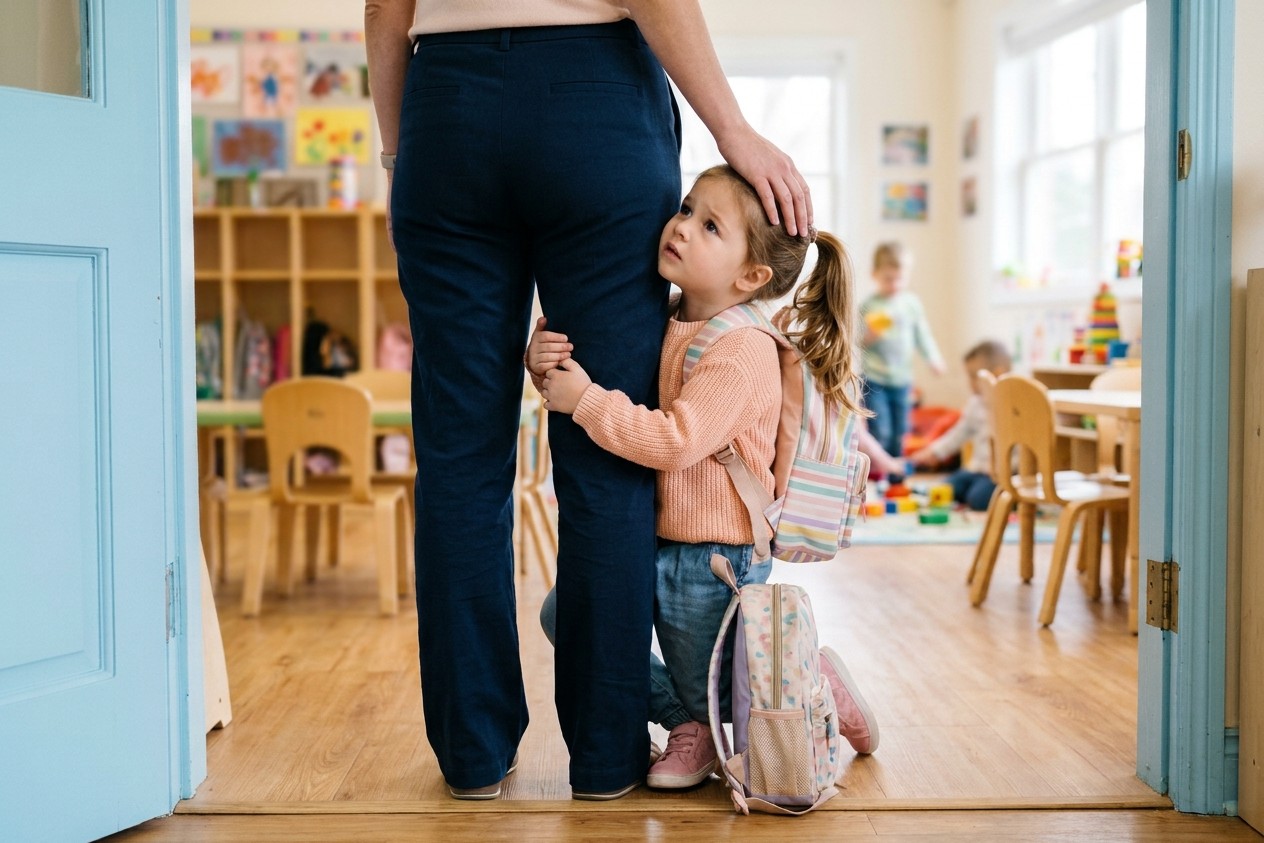
- Clinginess at drop-off in a child who used to separate easily
- Avoiding specific days: gym, presentations, tests, one particular class
- Vague explanations, or none at all, about what is hard
- Dropping extracurriculars and seeing friends less
- Falling grades in a child who used to manage
The short-term consequences include distress, social alienation and declining grades, and each additional week out makes the return harder. These early signs are worth acting on rather than waiting out. There is rarely one cause. The School Refusal Assessment Scale, a widely used framework, identifies four functions behind the behaviour: avoiding school-based situations that provoke distress, escaping social or evaluative situations, pursuing attention from significant others, and pursuing something more rewarding outside school. The first two cover most of the children families bring to therapy. Underneath those functions sit the drivers below.
Separation Anxiety and Fear of Leaving Home
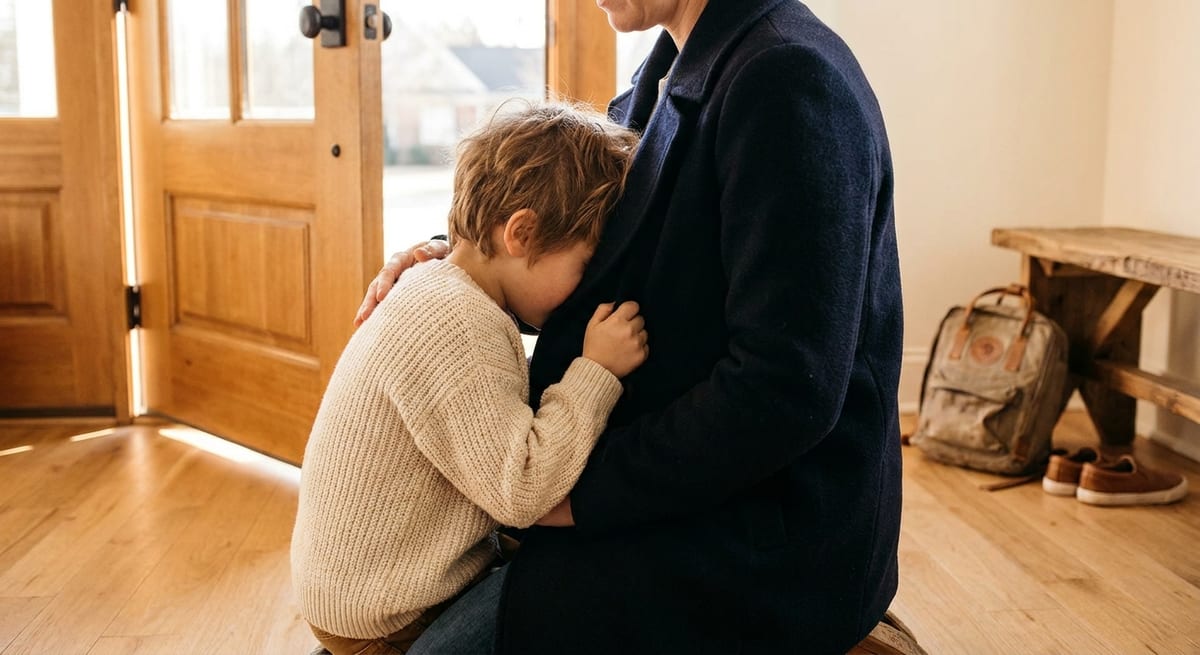
For younger children in particular, the fear is not about school but about being away from you. Attention-seeking school refusal behaviour, in the framework above, is specifically associated with separation anxiety disorder. This is the most common picture in primary school, and our separation anxiety page covers how it is treated. The telling detail is that the distress is about the leaving, not the destination: the same child often refuses sleepovers and camps just as firmly.
Social Fear, Bullying and Classroom Performance
Some children are escaping specific situations: speaking in class, being looked at, group work, the cafeteria, the change room, the bus. Bullying and peer conflict belong here, and so do friendship changes that look minor to adults and are not. A child who dreads being evaluated in front of others may be managing social anxiety, and confidence work usually runs alongside the attendance plan rather than after it.
Learning Disorders and Undiagnosed ADHD
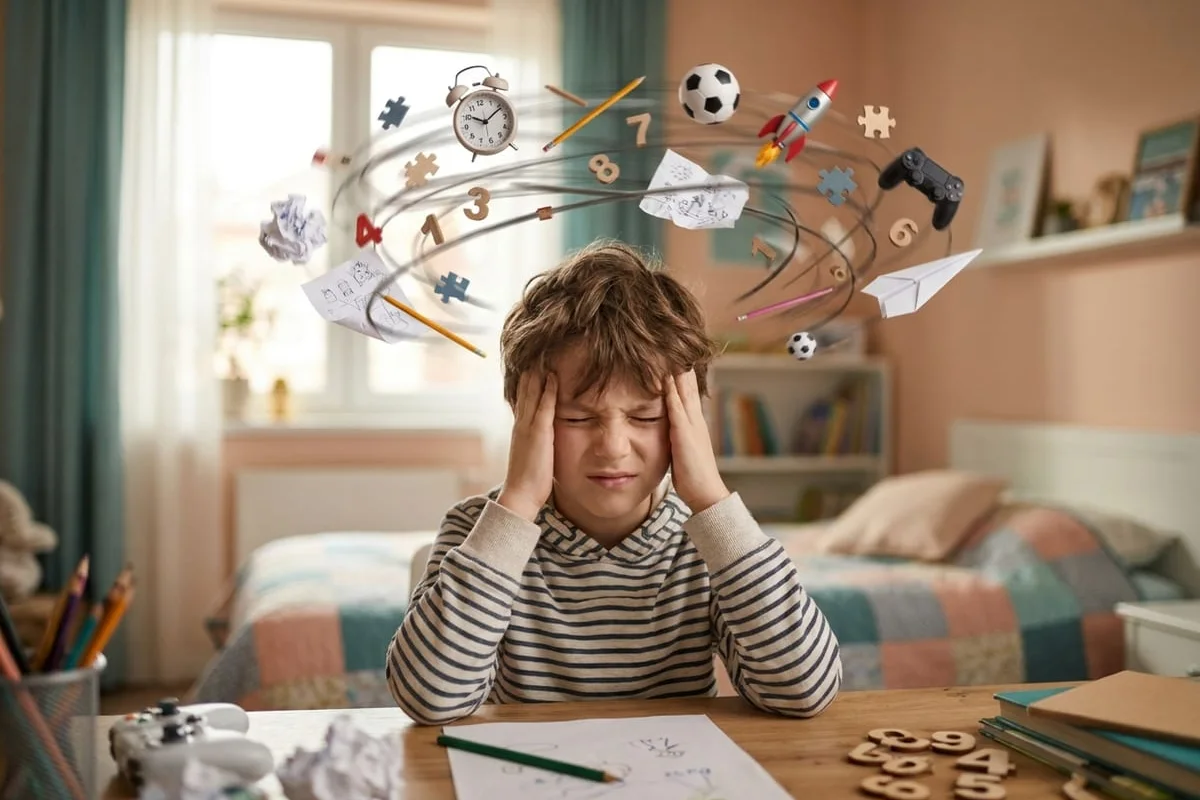
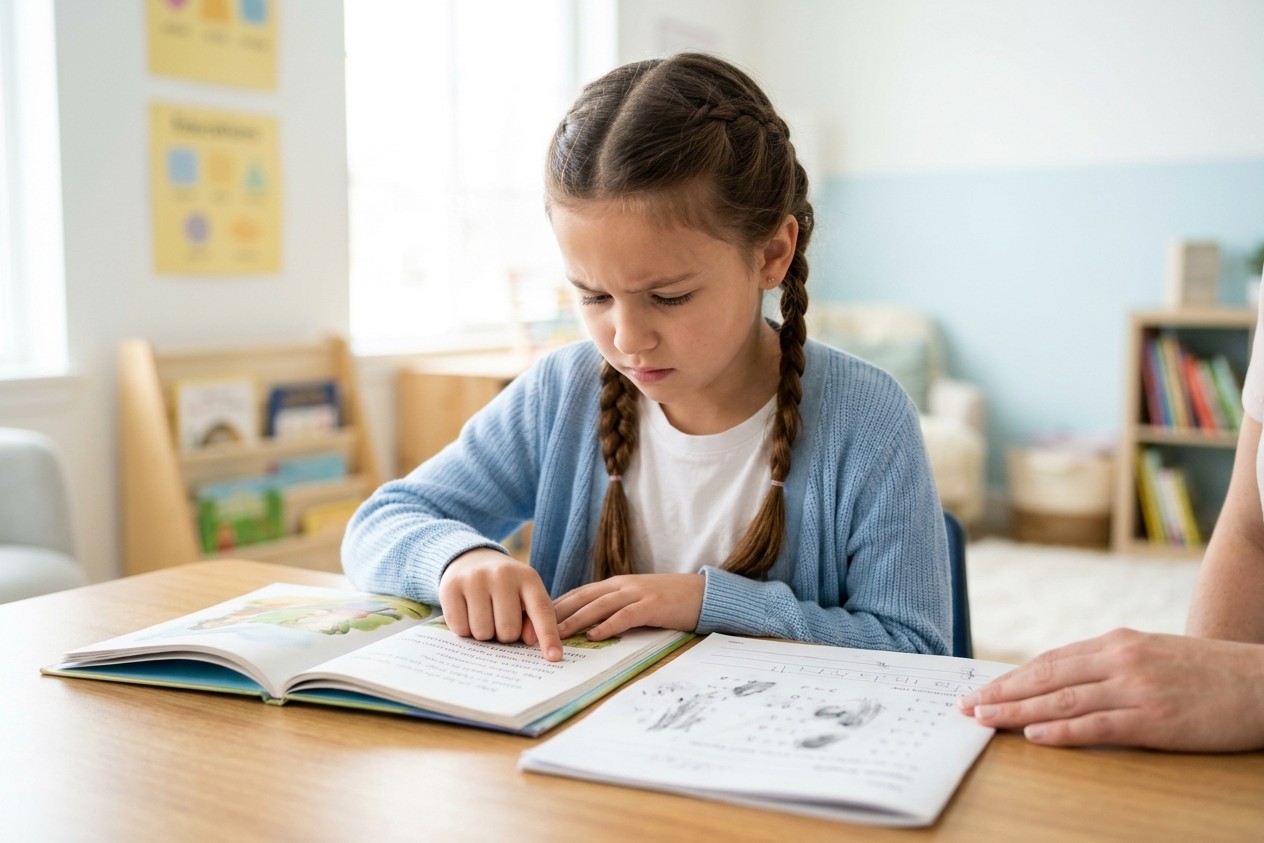
A child who struggles to read, keep up or sit still may dread school long before they can explain why. Six hours of daily failure is a rational thing to avoid. Where an undiagnosed learning disorder or ADHD is driving the refusal, treating the anxiety without addressing the academic reality does not hold, because nothing about the school day has changed.
Sensory Overload in Autistic Students
A child who finds noise, unpredictable change or unwritten social rules overwhelming may be refusing an environment rather than an education. For autistic students the refusal often follows a stretch of coping that looked successful from outside. Masking all day is exhausting, and refusal sometimes arrives after months of holding it together, which is why autism masking and school refusal are worth reading side by side.
Sleep Problems and Late Mornings in Teens
In adolescents this is more common than parents expect. Chronic sleep deprivation and the delay in circadian rhythm that comes with adolescence are recognized contributors to school refusal in children and teens. A teen who cannot fall asleep before two in the morning is not refusing school at eight, they are unconscious. Sleep problems are sometimes the whole problem and sometimes the anxiety showing up at a different hour. Other things to keep in view: depression and low mood, grief, trauma, family stress, a move or a new school, and medical factors. School refusal is not always anxiety.
What Mornings Look Like in Families Stuck in Refusal
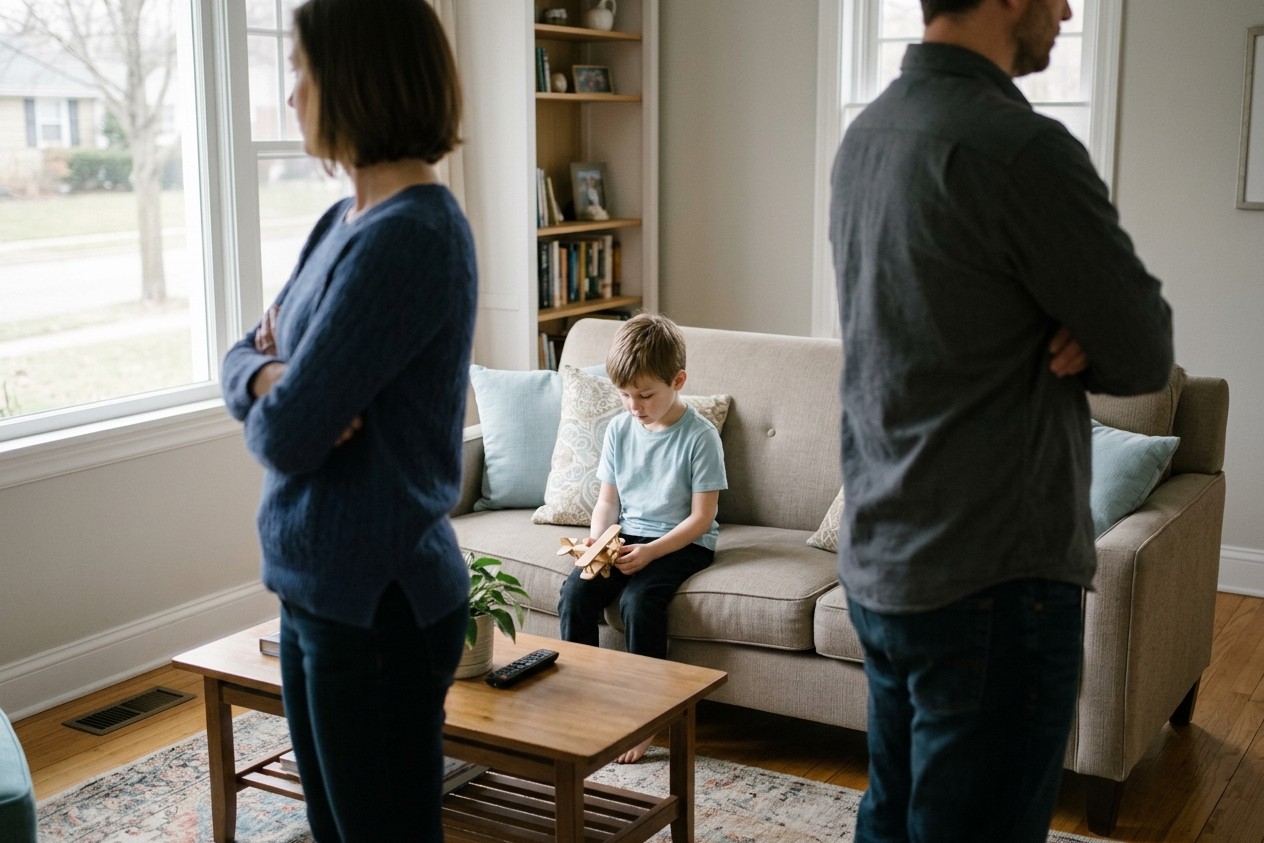
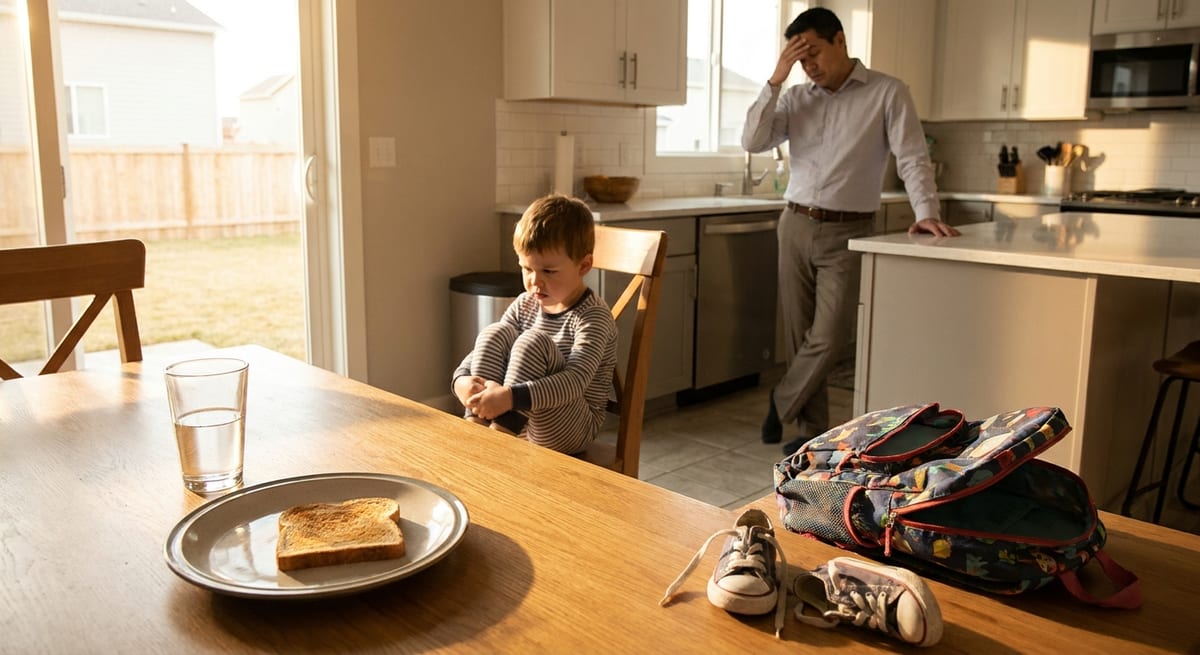
If this is your house, you will recognize the sequence. It starts the night before with a long negotiation. The morning opens with a complaint about a body part. Then come the raised voices, the bargaining, the deal about just going for half a day, the drive during which your child cries or goes silent, and sometimes the drive home again. By nine thirty everybody is exhausted and nobody has reached work or school. Two things usually follow, and they are worth naming because they are nobody’s fault. Parents start disagreeing with each other, one pushing harder and one protecting. And blame circulates: the school suspects you are permitting it, you feel judged, and your child concludes they are the problem. Therapy helps move the family from won’t to can’t yet, which is what makes a calm response possible. One honest note about pressure. Prolonged avoidance makes school refusal harder to treat, so time matters. At the same time it is not always in a child’s interest to be forced to attend, and a morning that ends in physical struggle generally sets the return back rather than forward. The workable route is graded, planned and agreed in advance.
Therapy Approaches Used for School Refusal
CBT and a Graded Return to the Classroom
Cognitive behavioural therapy has the strongest evidence base for getting children and adolescents back into school and is widely described as the first-line treatment. A review of school refusal studies found that behavioural and cognitive approaches improved both attendance and symptoms such as anxiety. In practice it has two halves. The thinking half surfaces what your child predicts will happen and tests it against what actually happens. The behavioural half is a graded return: exposure that keeps a child in the feared situation long enough for the anxiety to come down on its own, which it does. A plan might move from driving past the school, to twenty minutes in the office with a parent nearby, to one favourite class, to half days, to full attendance. Each step is held until it stops being frightening. Nothing is skipped because the family is in a hurry.
Play Therapy for Younger Children Who Cannot Explain the Fear
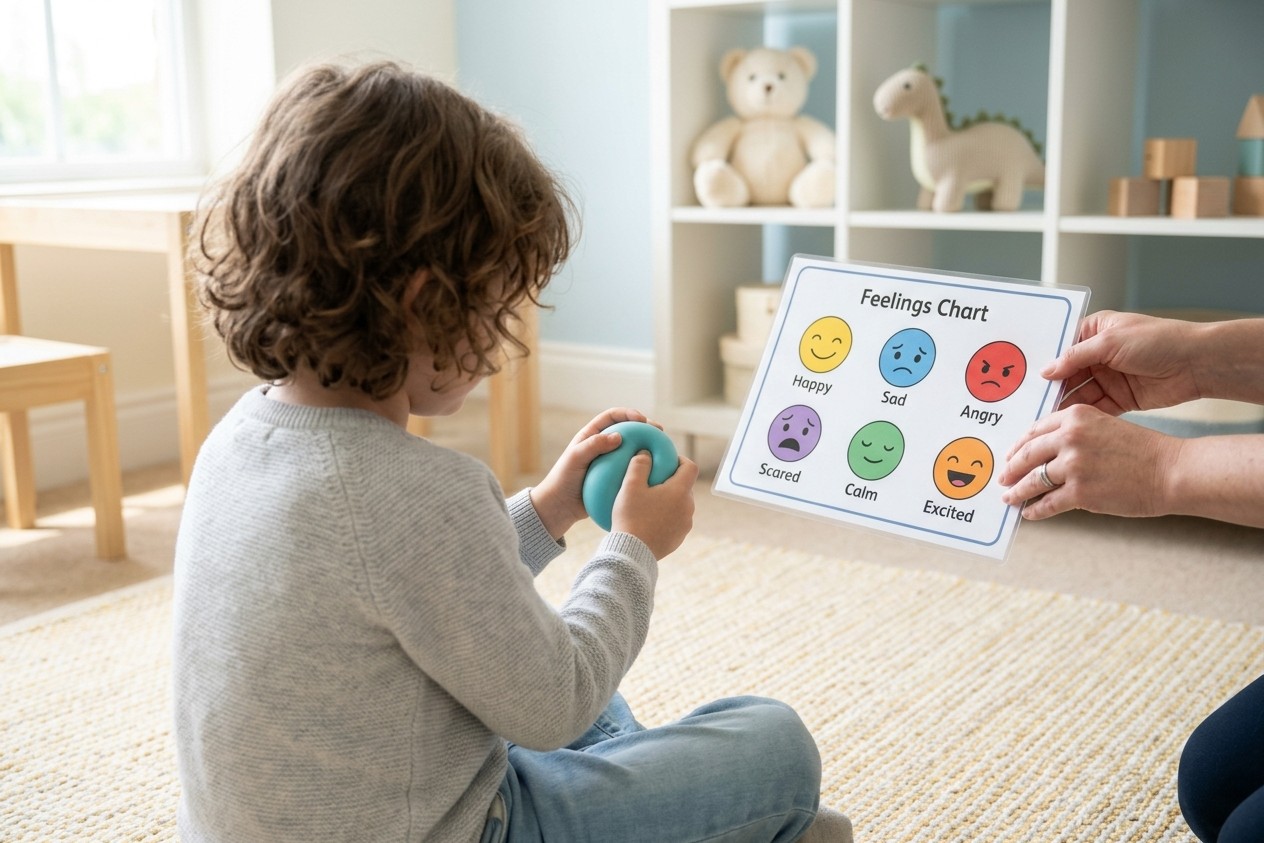
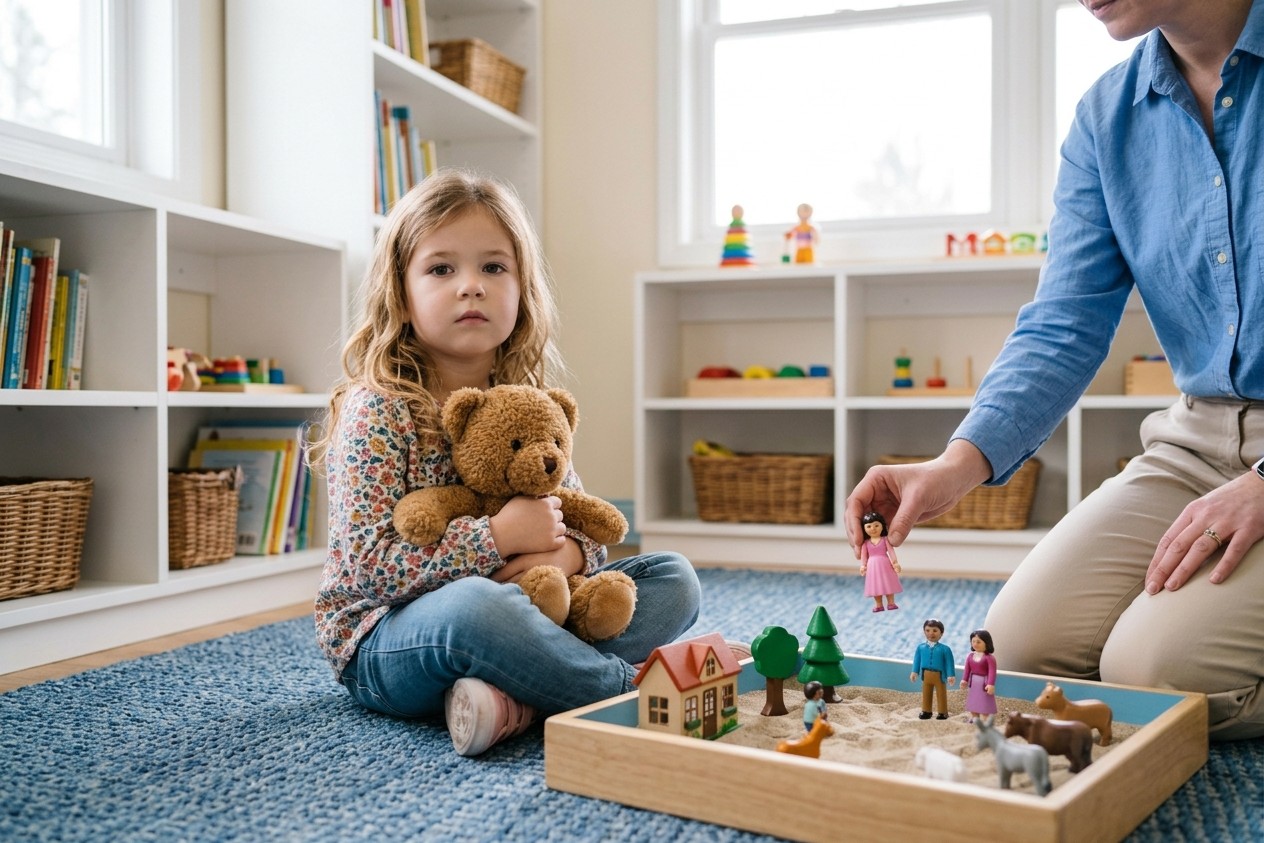
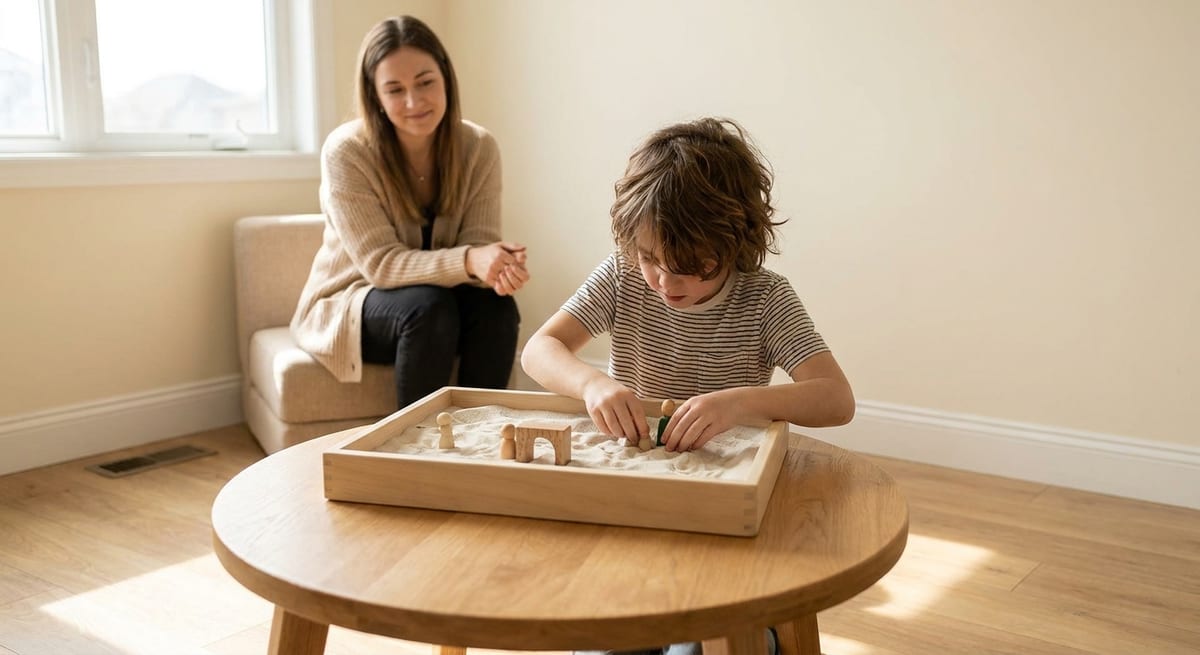
Ask a seven-year-old why they will not go to school and you will usually get “I don’t know.” That is often true rather than evasive. Play therapy works around that limitation. A child can show in play what they cannot narrate: what happens at the classroom door, who is unkind at lunch, what they are afraid will happen to you while they are gone. It also builds the regulation skills a graded return needs, so the morning is survivable rather than just required.
Teen Therapy for Older Students
With adolescents the refusal is usually more entrenched by the time therapy starts, and the content is different: academic pressure, social standing, low mood, sleep, and in some cases a genuine conviction that school has nothing to offer them. Teen therapy gives them somewhere to say that without being lectured or asked to have the answer. It also deals with the piece parents cannot do from outside: the shame of being the student who stopped going, and the fear of walking back in after six weeks away.

Parent Coaching and Family Therapy Around Attendance
The attendance plan lives in your house, not in the therapy room, which is why parents are part of the treatment. Parent coaching works on the actual mornings: what to say at 7:15, how to hold a limit without a confrontation, what to do when your child is already in the car and will not get out. Family therapy addresses what refusal has done to the rest of the household, including the disagreement between parents about how firm to be, and the siblings watching all of it.
Working With the School During a Return Plan
A return plan the school has not agreed to is not a plan. What to put on the table at the first meeting:
- What the hardest part of the day looks like, in the school’s own observation, rather than whether your child behaved well
- A named adult your child can go to, and a quiet place they can use
- A written, graded schedule with specific dates, not an open-ended expectation of full attendance
- A plan for catching up academically that does not land as a punishment for being absent
- An agreement on what happens when your child asks to come home, so the answer is consistent
- An assessment referral where a learning difficulty, attention difficulty or sensory need is suspected
- A review date, so the plan is adjusted rather than abandoned
Keep the tone collaborative. Schools and families stuck in school refusal frequently end up blaming each other, and your child needs both sides functioning. Before any therapy starts, four things help. Keep the routine identical. The same wake time, meals and bedtime, including on days your child stays home. A home day should not be more comfortable than a school day. Stop asking why at the door. Ask smaller questions at a calmer hour: which part of the day is worst, who you sit with at lunch, what would make tomorrow slightly easier. Write down the pattern for two weeks. Which days, which periods, which complaints, and what was happening at school that day. That record is the most useful thing you can bring to a first appointment. Say the sentence out loud. Something like: I believe you that this feels impossible, and we are going to work it out together. Children in school refusal are usually convinced nobody believes them. Seek help sooner rather than later. Where absence is prolonged or worsening, evidence-based therapy with a child or adolescent therapist is the recommended next step, and the earlier that starts the shorter the road back tends to be.
When to Book a Child Therapy Consultation in Richmond Hill
Book an assessment if attendance has broken down for more than a week or two, if the morning distress is severe, if your child is withdrawing from friends and activities alongside school, if low mood is present as well as anxiety, or if you and the school have run out of ideas. Seek help immediately, rather than scheduling it, if your child talks about hurting themselves or about not wanting to be alive. A free 15-minute consultation is enough to work out whether this is anxiety, a learning or sensory need, a sleep problem, or more than one of those at once, and what the first step should be.
Frequently Asked Questions
Is school refusal always caused by anxiety?
No. Anxiety is the most common driver, but school refusal is also associated with depression, trauma, neurodevelopmental conditions, learning differences, sleep problems, and factors in the school or home environment. Assuming anxiety and treating only that is a common reason a plan stalls.
Should I force my child to go to school?
Prolonged avoidance does make school refusal harder to treat, so doing nothing is not neutral. But forcing attendance is not always in a child’s best interest, and a morning that ends in physical struggle usually costs more than it gains. The approach with evidence behind it is a graded return, agreed with your child and the school, where each step is small enough to be achievable.
How long does it take for a child to return to school?
It depends on how long they have been out and what is driving it. A child caught in the first weeks often returns within a few weeks of starting work. Entrenched refusal with extended absence usually begins with a full assessment and takes longer, and the first milestone is time in the building rather than a full timetable.
Can school refusal start suddenly?
Yes. Onset can be sudden or gradual. A sudden start frequently points at a specific event: a bullying incident, a humiliating moment in class, a change of teacher, a loss, or a frightening experience on the way to school. It is worth asking what changed in the week before it began.
Does my child need a diagnosis before starting therapy?
No. Many children who refuse school never receive a diagnosis, and treatment for the anxiety can begin right away. If a learning difficulty, ADHD or an autism spectrum need is suspected, an assessment runs alongside the work rather than delaying it.
Is online therapy enough for school refusal?
It can be, particularly for parent coaching and for teens, and virtual sessions are available across Ontario. For a young child who cannot yet put the fear into words, in-person play-based work is usually the stronger start. The practical answer depends on your child’s age and how severe the refusal is, which is what a first consultation is for.